

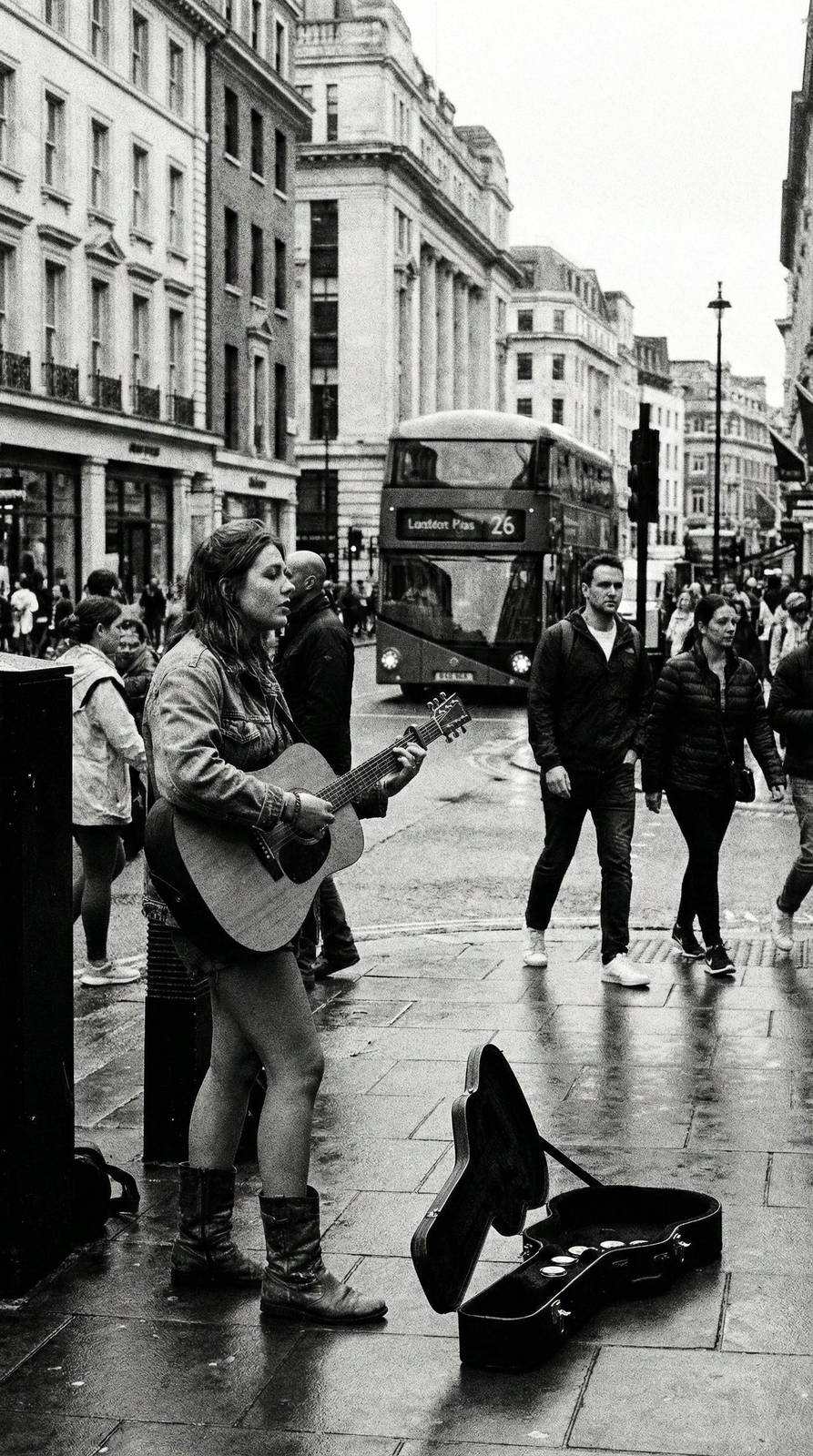
AI-Generated Music Isn't Art (But It Might Accidentally Help Artists)
Hot take: AI can generate sound, but it can't create meaning. Here's why AI music isn't art, why that distinction matters, and how artists can use the technology without being replaced by it.
TL;DR
AI-generated music lacks intentionality, lived experience, and cultural context — the things that make music art. But AI tools that assist human creativity (stem separation, mixing assistance, mastering) are genuinely valuable. The line between tool and replacement matters, and we should defend it fiercely.
The Distinction Between Sound and Art
AI can generate audio that sounds like music. It can replicate genres, imitate styles, and produce sonically convincing results. But generating sound and creating art are fundamentally different acts.
Art requires intentionality — a human mind making deliberate choices about what to express and how. When a songwriter chooses a minor chord at a specific moment, that choice carries emotional intention shaped by their life experience, their understanding of music history, and their desire to communicate something specific to a listener. An AI model choosing a minor chord is performing statistical pattern-matching against training data. The output might sound similar; the process is entirely different.
This isn't a technical limitation that will be solved with better AI — it's a philosophical boundary. AI doesn't experience emotion, doesn't have cultural context, doesn't grieve, doesn't fall in love, doesn't feel the weight of a rainy Tuesday morning. It generates patterns that correlate with these experiences. And correlation isn't creation.
Why the Distinction Matters
If we accept AI-generated music as equivalent to human-created music, we undermine the value proposition of human artists. Why hire a songwriter when an AI can generate a chorus? Why book a performer when an AI can create content? The logical endpoint of treating AI output as art is treating artists as redundant.
This isn't hypothetical — it's already happening. Background music libraries are flooded with AI-generated tracks priced at zero or near-zero. Sync supervisors report receiving AI-generated submissions marketed as human-created. Some platforms are hosting millions of AI-generated tracks that dilute the royalty pool for genuine artists.
The distinction between tool and creator also has legal implications. AI-generated content currently cannot be copyrighted (at least in the US), because copyright requires human authorship. This is the right legal position, and maintaining it protects the economic rights of human creators.
Where AI Genuinely Helps Artists
AI as a creative tool — rather than a creative replacement — is genuinely valuable. Stem separation tools (Demucs, LALAL.AI) use AI to isolate elements of mixed recordings. AI mastering tools produce decent results at accessible prices. Smart EQ and compression plugins use AI to suggest starting points for mixing. These tools augment human creativity rather than substituting for it.
AI-generated content can also serve as starting points for human creation. An AI-generated chord progression, beat pattern, or melodic idea can be the spark that a human artist transforms into genuine art through arrangement, performance, lyrical content, and emotional intention. Using AI as a brainstorming tool is fundamentally different from using it as a creation replacement.
The key distinction: AI as tool keeps the human artist at the centre of the creative process, making decisions, adding meaning, and bearing artistic responsibility. AI as replacement removes the human entirely. The former should be celebrated; the latter should be resisted.
Protecting Human Creativity
Artists need to advocate loudly for the value of human creation. Not by opposing technology, but by articulating what human art provides that AI cannot: intentionality, lived experience, cultural commentary, emotional truth, and the deeply human act of transforming personal experience into shared meaning.
Platforms should distinguish between human-created and AI-generated music. Labels indicating whether music was primarily created by humans or generated by AI would let listeners make informed choices about what they support. Some platforms are beginning to implement this; all should.
Consumers who value human art should actively support it — buy albums, attend gigs, follow artists on social media, and choose human-created music over AI-generated content when given the option. Market demand for human creativity is the most powerful force protecting human artists.
The Noise Position
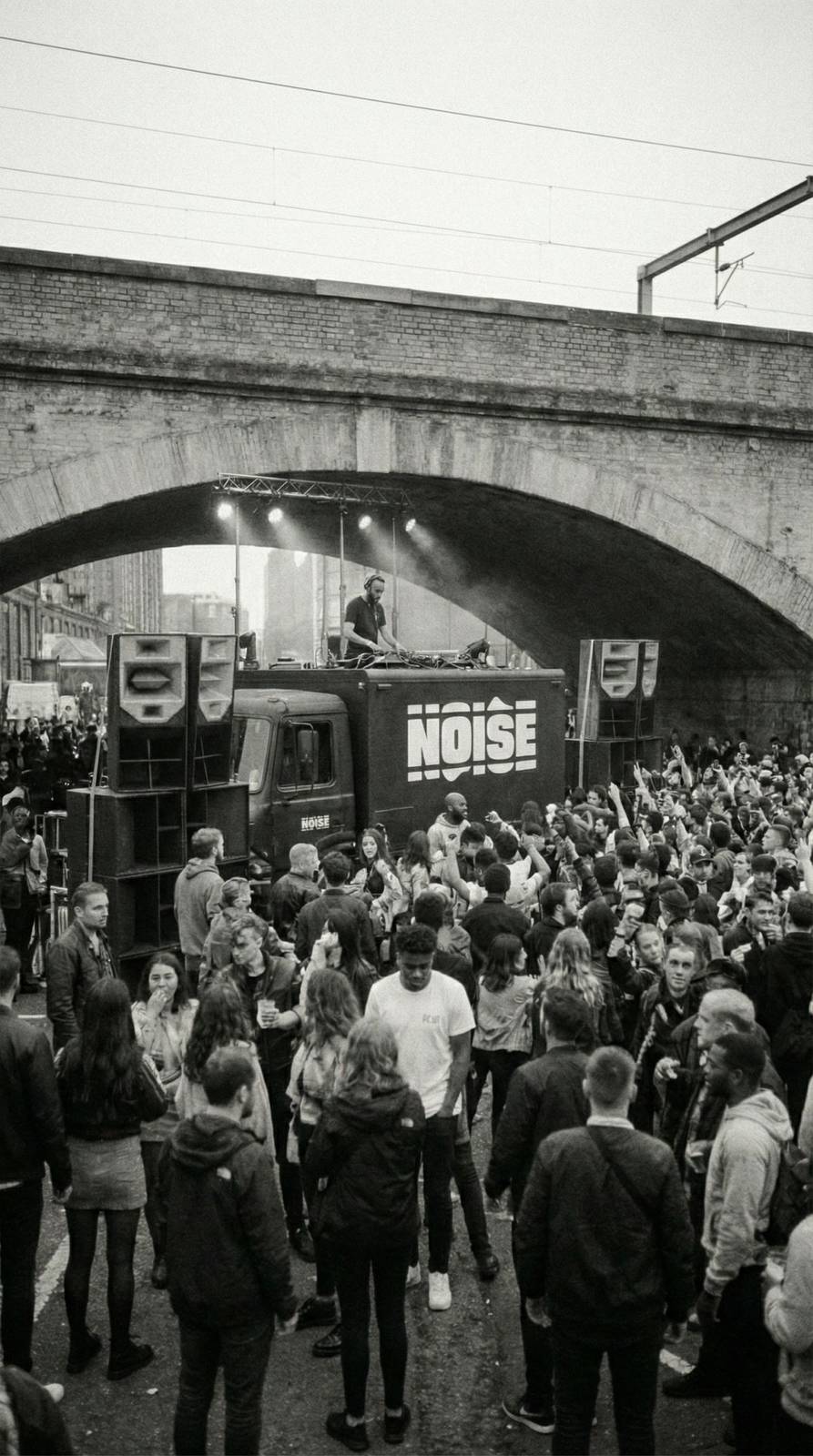
At Noise, our position is clear: we exist to champion human artists making music from genuine experience and emotion. AI tools that help those artists create should be embraced. AI systems that attempt to replace those artists should be opposed.
We will always feature, promote, and support human-created music. We will always advocate for the economic rights of human creators. And we will always argue that the magic of music — the thing that makes it transcend sound and become meaning — is irreducibly, beautifully, necessarily human.
Technology should serve art. Not the other way around.