



From Clairo to a thousand SoundCloud bedrooms, bedroom pop has become a movement. Here's where it started, where it's going, and who's pushing it forward.
TL;DR
Bedroom pop isn't really a genre — it's an ethos. Lo-fi production, emotional honesty, and DIY independence define it more than any sonic characteristic. The artists carrying it forward in 2025 are more diverse and experimental than ever, pushing the aesthetic into unexpected territory.
What 'Bedroom Pop' Actually Means
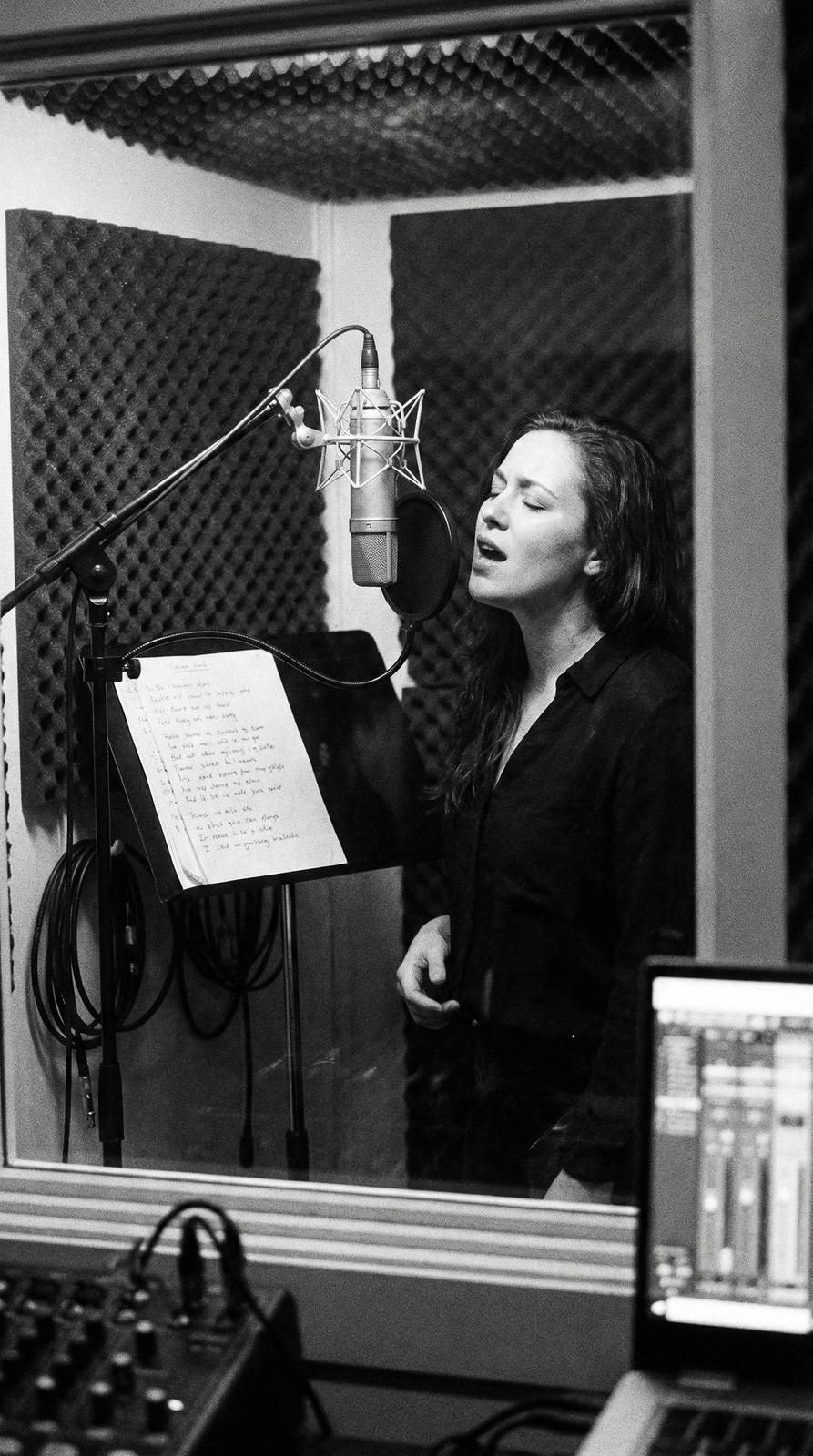
Bedroom pop is less a genre than a production philosophy: music made in bedrooms (or other non-professional spaces), usually by a single artist handling most or all of the production themselves. The aesthetic embraces imperfection — tape hiss, room ambience, slightly out-of-tune guitars, vocal takes with audible breath — as features rather than flaws.
The term gained traction around 2017-2018 with artists like Clairo, boy pablo, and Rex Orange County demonstrating that lo-fi home recordings could generate millions of streams and genuine cultural impact. But the lineage runs much deeper: Daniel Johnston, Elliott Smith, Ariel Pink, and Mac DeMarco all embodied bedroom pop principles long before the label existed.
What distinguishes 2025's bedroom pop from its predecessors is accessibility. The tools available to bedroom producers today — free DAWs, AI mastering, direct distribution — mean that the gap between bedroom recording and commercial release is narrower than ever. A 16-year-old can write, record, and release a track that sounds intentionally lo-fi and compete for attention alongside major label releases.
The Sound in 2025: Evolving Beyond Lo-Fi
The sonic palette of bedroom pop has expanded far beyond dreamy guitars and reverb-drenched vocals. In 2025, bedroom pop artists are incorporating elements of hyperpop, R&B, shoegaze, jazz, ambient, and electronic music while maintaining the intimate, personal production aesthetic.
Production quality has become a spectrum rather than a binary. Some artists deliberately pursue maximum lo-fi — cassette recordings, phone voice memos, intentional degradation. Others use bedroom pop's emotional directness and DIY ethos while achieving studio-quality production. The 'bedroom' in bedroom pop increasingly refers to the mindset rather than the literal recording location.
The crossover with indie R&B has been particularly fertile. Artists blending bedroom pop's vulnerability with R&B's vocal traditions and production techniques are creating some of the most compelling music in the contemporary landscape. The emotional honesty of bedroom pop paired with the sophistication of modern R&B production hits differently.
Discovery Channels: Where to Find Bedroom Pop
SoundCloud remains the primary discovery platform for bedroom pop — its upload-anything culture and direct artist-to-listener connection suit the genre's DIY ethos. Bandcamp is where the more intentional releases live, often with lovingly designed digital artwork and pay-what-you-want pricing that builds direct fan relationships.
Spotify's algorithmic playlists are surprisingly effective for bedroom pop discovery. Because the genre's listeners tend to be engaged — saving tracks, creating playlists, listening repeatedly — the algorithm learns their preferences quickly and surfaces new artists through Discover Weekly and Radio features.
TikTok has become an accidental bedroom pop incubator. The platform's preference for authentic, unpolished content aligns perfectly with bedroom pop's aesthetic. Artists recording phone-quality snippets of works-in-progress generate millions of views, and the path from TikTok snippet to finished track to streaming success has become a well-worn route.
The Community and Culture Around the Music
Bedroom pop's community exists primarily online — Discord servers, Reddit communities, Instagram comment sections — creating a decentralised, global scene connected by shared aesthetic values rather than geography. Artists collaborate across continents, share techniques and plugins, and promote each other's music with genuine enthusiasm.
The visual aesthetic of bedroom pop has become as defined as the sonic one: pastel colours, vintage cameras, lo-fi photography, hand-drawn artwork, nostalgic references to VHS and cassette culture. This visual language signals belonging to the community and creates an immediately recognisable identity across platforms.
What we find most compelling about bedroom pop's community is its accessibility. There's no gatekeeping, no 'paying your dues,' no requirement to have expensive gear or formal training. If you make music in your bedroom with genuine emotional content, you're welcome. This inclusivity produces a wider range of voices and perspectives than more established, hierarchical music scenes.
Why Bedroom Pop Matters to Noise
Bedroom pop embodies everything Noise stands for: democratised creation, authentic expression, artist independence, and the belief that great music can come from anywhere. When a teenager's bedroom recording can stand alongside major label releases and connect with listeners worldwide, the traditional industry power structures become less relevant.
The genre also demonstrates that commercial success and artistic integrity aren't mutually exclusive. The most successful bedroom pop artists haven't compromised their aesthetic or signed predatory deals — they've built audiences that value their authenticity, and the industry has come to them on their terms.
Our role is to champion the artists in this space who might otherwise go unheard. For every bedroom pop artist who goes viral on TikTok, there are hundreds making equally compelling music to smaller audiences. They deserve discovery, coverage, and the same opportunities that luck and algorithm favour grant to a few. That's what we're here for.