

Musicians need podcast mics that handle both voice and instrument. We tested the top USB and XLR options to find the ones that actually deliver broadcast quality.
TL;DR
The Rode PodMic USB is the best all-round podcast mic for musicians who also want instrument recording capability. The Shure MV7+ is the premium choice. The Samson Q2U remains the unbeatable budget option with both USB and XLR connections.
Why Musicians Need Different Podcast Mics
Most podcast microphone guides assume you'll only ever record voice. Musicians need more versatility — a mic that sounds great on spoken word but can also handle an acoustic guitar, a vocal take, or a quick instrument recording without swapping gear.
Dynamic microphones generally work better for podcasting in untreated rooms because they reject background noise and room reflections. But they can lack the detail and airiness that condensers bring to music recording. The sweet spot for musicians is a dynamic mic with a wide frequency response and good transient detail.
USB vs XLR is the other key decision. USB mics plug directly into your computer — simple and portable. XLR mics connect through an audio interface, giving you better preamp control and expandability. Some brilliant mics now offer both connections, which is the ideal situation for musicians.
Our Top Five Picks
The Rode PodMic USB (about £130) is our overall pick. It's a dynamic mic with both USB and XLR connectivity, a rich broadcast tone, and enough detail for music recording. The built-in USB interface has clean gain and low latency monitoring. It sounds professional out of the box without any processing.
The Shure MV7+ (about £250) is the premium option. Shure's legendary SM7B tone in a USB/XLR hybrid package, with a companion app that offers real-time processing including EQ, compression, and noise gate. It's expensive but the Shure sound quality is genuinely a step above. If you can stretch to it, you won't regret it.
The Samson Q2U (about £60) is the budget champion that's been recommended for years and still deserves to be. Dual USB/XLR, surprisingly good dynamic capsule, comes with a mini tripod stand and all necessary cables. At sixty quid, it's frankly ridiculous value.
Setting Up for Podcast Recording
Mic placement for podcasting differs from singing. Position the mic 10-15cm from your mouth, slightly off to one side and angled toward your mouth. This minimises plosives while maintaining a full, present sound. Speak across the mic, not directly into it.
Room treatment matters for podcasts just as much as music. A reflection filter behind the mic, or even a folded duvet draped over a chair behind you, will noticeably reduce room reflections. Listen back to test recordings in headphones and you'll immediately hear the difference between a treated and untreated space.
For multi-person podcasts, you'll want each person on their own mic recorded to separate tracks. This requires either multiple USB interfaces (which gets complicated) or an XLR setup with a multi-channel interface like the Focusrite Scarlett 2i2 or 4i4. Separate tracks give you control over each voice in post-production.
Post-Production Tips for Better Podcast Audio
A simple processing chain makes podcast audio sound professional: noise reduction first (remove background hum and hiss), then EQ (gentle high-pass filter at 80Hz, slight presence boost around 3-5kHz), then compression (3-6dB of gain reduction, fast attack, medium release to even out dynamics).
Free tools that handle this well: Audacity for basic recording and editing, Reaper for more advanced multi-track work, and the free plugins from TDR (Kotelnikov compressor, Nova EQ) for processing. You don't need expensive software to produce broadcast-quality podcast audio.
The Auphonic web service deserves special mention — it's an AI-powered post-production tool specifically designed for spoken word that handles levelling, noise reduction, and loudness normalisation automatically. The free tier processes 2 hours per month, which covers most podcast episodes. It's genuinely excellent and saves enormous time.
Double Duty: Using Your Podcast Mic for Music
Dynamic podcast mics can absolutely record music — the Shure SM7B, which the MV7+ is based on, has been used on countless albums. For acoustic guitar, position the mic about 30cm from the 12th fret and angle it slightly toward the soundhole for warmth or away for brightness.
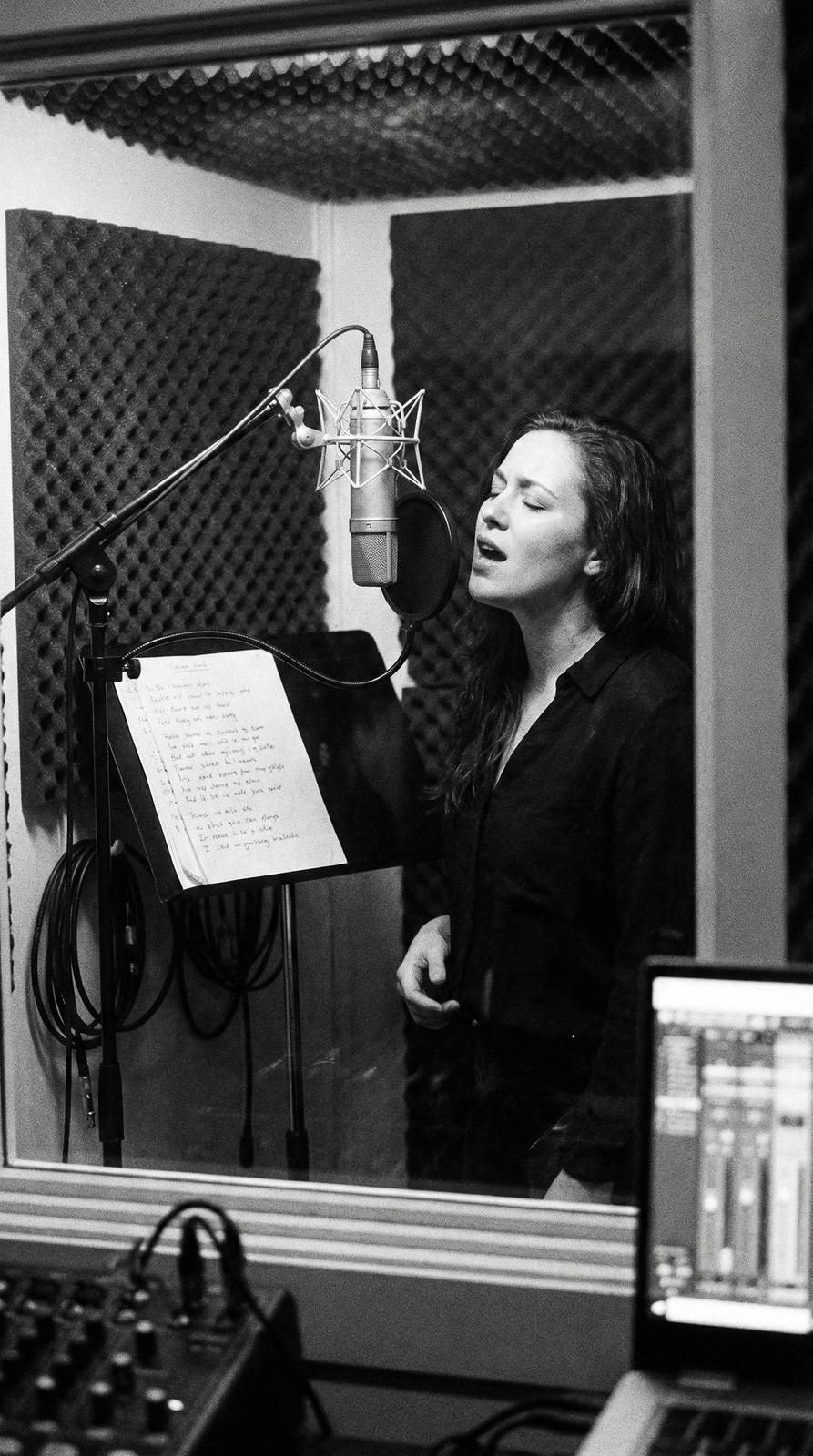
For vocal recording with a dynamic podcast mic, get close — 10-15cm — to take advantage of the proximity effect for a warm, intimate tone. Dynamic mics need more gain than condensers, so make sure your interface can provide clean gain without adding noise. The Scarlett 2i2 handles this well.
The limitation of dynamic mics for music is they capture less ambient detail and high-frequency 'air' compared to condensers. For genres that thrive on intimacy and presence — singer-songwriter, hip-hop vocals, podcast-style spoken word tracks — dynamics are arguably preferable. For classical, jazz, or anything where room sound matters, you'll eventually want a condenser too.