


Bristol's Bass Music Legacy: From Massive Attack to the New Underground
Bristol has been shaping the sound of bass music for four decades. We trace the lineage from trip-hop to the vibrant underground scene thriving today.
TL;DR
Bristol's bass music continuum — from Massive Attack and Portishead through dubstep to today's genre-defying underground — represents one of the most enduring creative traditions in UK music. The city's current scene is thriving, driven by venues, labels, and a community that values innovation.
The City That Invented British Bass Culture
Bristol's contribution to UK music is disproportionate to its size. A city of half a million people has produced some of the most influential sounds in global music — and the common thread is bass.
The story begins in the sound system culture of St Paul's and Montpelier in the 1980s, where Jamaican diaspora communities brought dub, reggae, and sound system technology to Bristol. This bass-heavy foundation mixed with punk's DIY ethos and the emerging hip-hop culture to produce something entirely new.
Massive Attack, Tricky, and Portishead — the 'trip-hop trinity' — emerged from this melting pot in the early 1990s. Their music was dark, cinematic, bass-driven, and impossible to categorise. It put Bristol on the global music map and established a template for genre-defying, bass-centric innovation that the city has followed ever since.
The Dubstep Chapter
When dubstep emerged in the early 2000s, Bristol was a natural home for the sound. The city's existing relationship with sub-bass frequencies, dub production techniques, and dark atmospheric soundscapes meant dubstep felt like a natural evolution rather than an import.
Pinch's Tectonic label and the Subloaded events became focal points for Bristol's dubstep community. The city's contribution to dubstep was darker, more experimental, and more connected to dub and techno than the London-centric halfstep sound. Bristol dubstep never fully embraced the brostep mutation that divided the genre internationally — the city's version stayed closer to the original's meditative bass pressure.
This independence from trends is a consistent Bristol trait. The city's producers have always been more interested in what sounds good to them than what's currently fashionable. It's why Bristol music ages well — it was never trying to be trendy.
The Current Underground
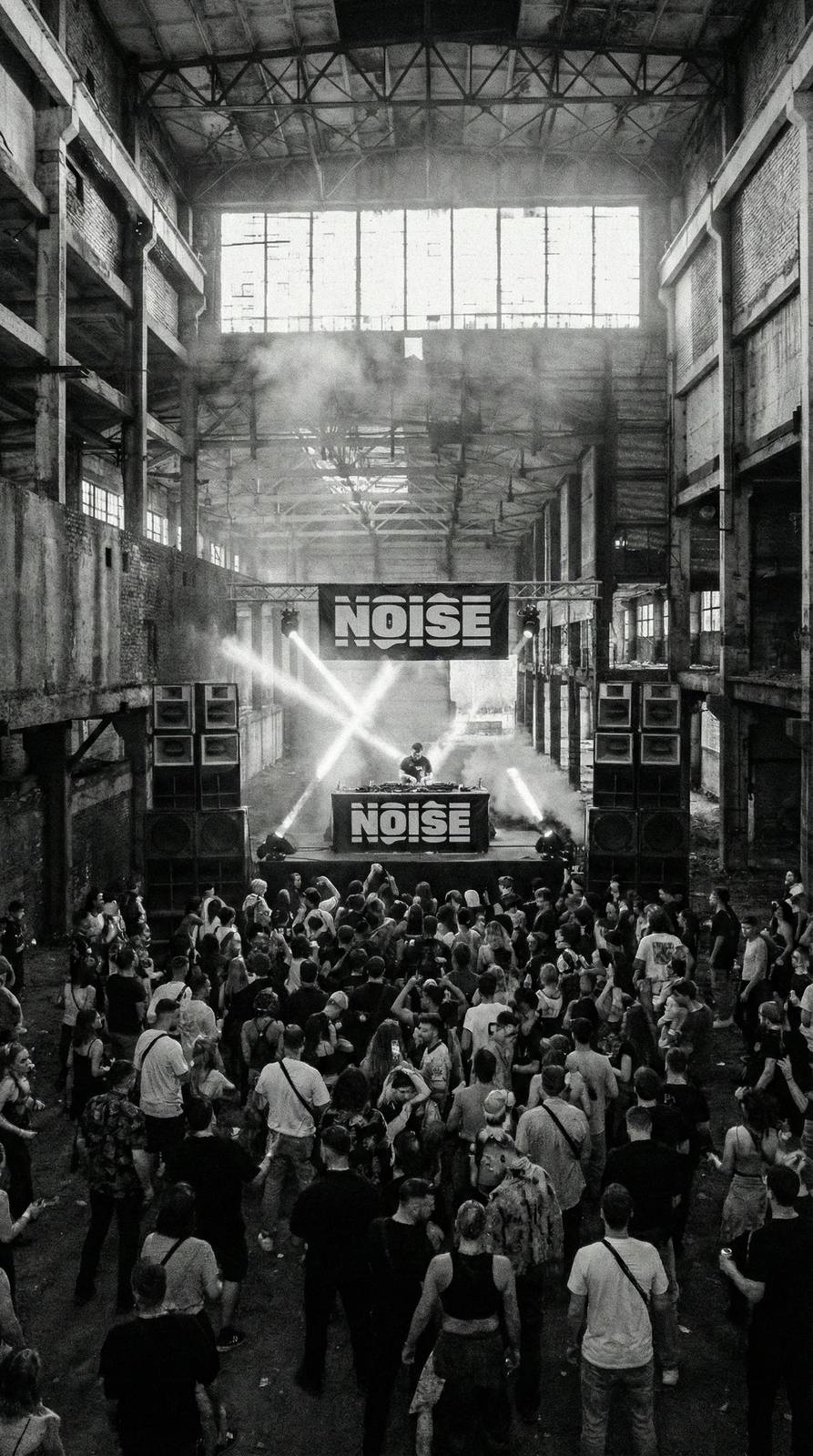
Bristol's bass music underground in the mid-2020s is arguably more creative and diverse than at any previous point. The current scene defies simple genre categorisation — which is exactly how Bristol likes it.
Producers are blending jungle breaks with ambient textures, mixing dub processing with techno structures, fusing Bristol's sound system heritage with contemporary production technology. The results are immersive, bass-heavy, and emotionally complex — music for the body and the mind simultaneously.
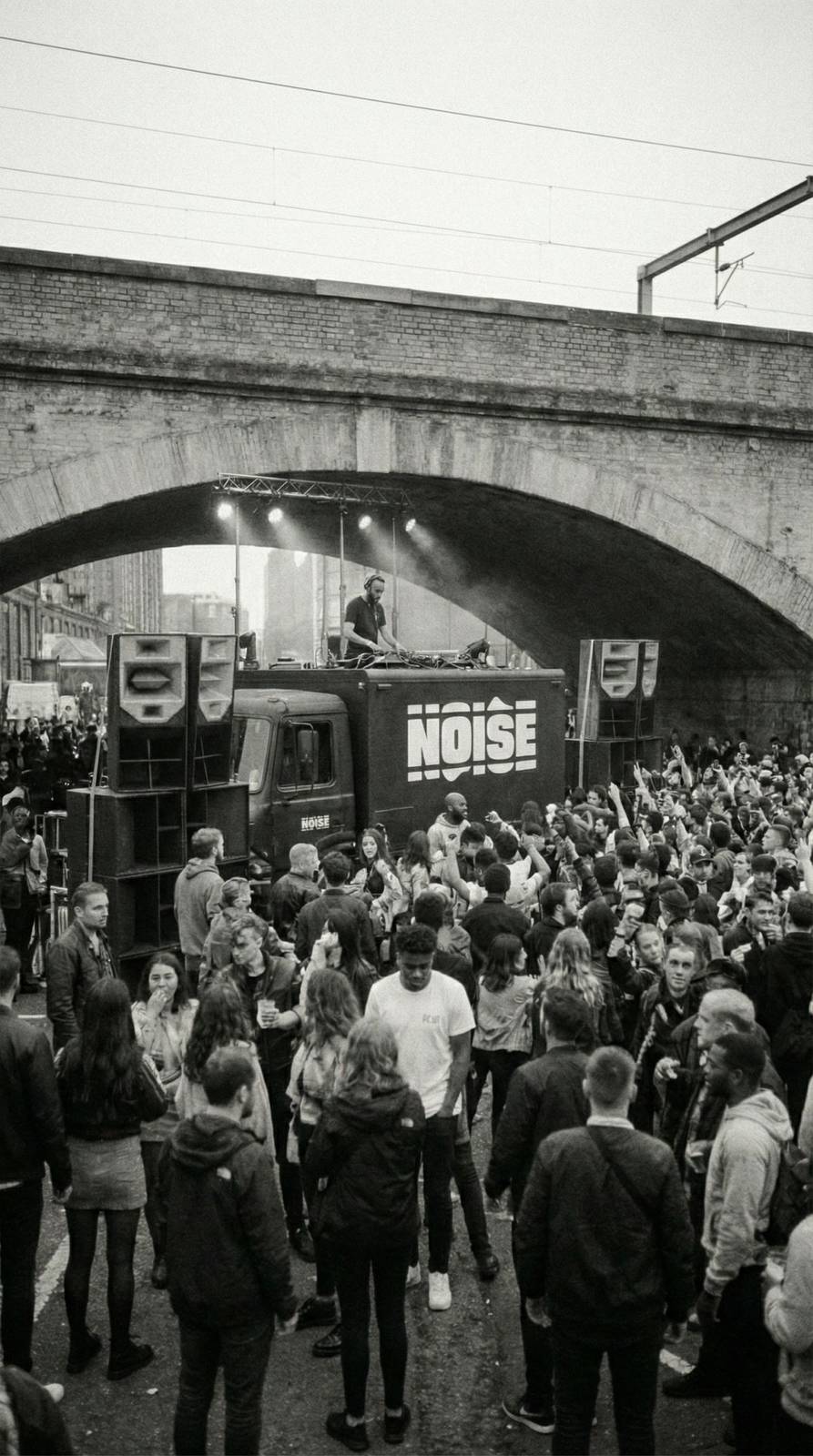
The venue and event infrastructure supports this creativity. Motion, a former skate park turned multi-room venue, hosts some of the most exciting electronic events in the UK. Loco Klub, in old railway arches, provides a raw, underground space perfect for bass music. And a network of smaller events in unusual spaces keeps the experimental spirit alive.
Labels like Livity Sound, Idle Hands, and Rupture continue to champion Bristol's sonic perspective, releasing music that sells globally while remaining rooted in the city's cultural identity.
What Bristol Teaches Us About Music Scenes
Bristol's four-decade bass music continuum offers lessons for any music community trying to sustain creative vitality.
Geographic identity matters. Bristol's sound is distinctly Bristolian — you can hear the city in the music. This sense of place creates both creative cohesion and marketability. Artists from Bristol carry a sonic pedigree that opens doors.
Community over competition. Bristol's music community is notably collaborative. Producers feature on each other's releases, DJs support each other's events, and established artists actively mentor emerging ones. This collaborative culture sustains the scene through periods when commercial attention wanes.
Infrastructure investment is essential. Bristol's venues, labels, radio stations (SWU FM, Noods Radio), and community organisations provide the ecosystem in which artists develop. Without these structures, individual talent struggles to flourish.
And patience pays off. Bristol has never produced a flash-in-the-pan scene. Its music movements develop over years, not weeks, and the artists who emerge are typically deeply skilled and artistically mature. In an era of instant virality and rapid obsolescence, Bristol's model of slow, deep creative development is a refreshing alternative.