
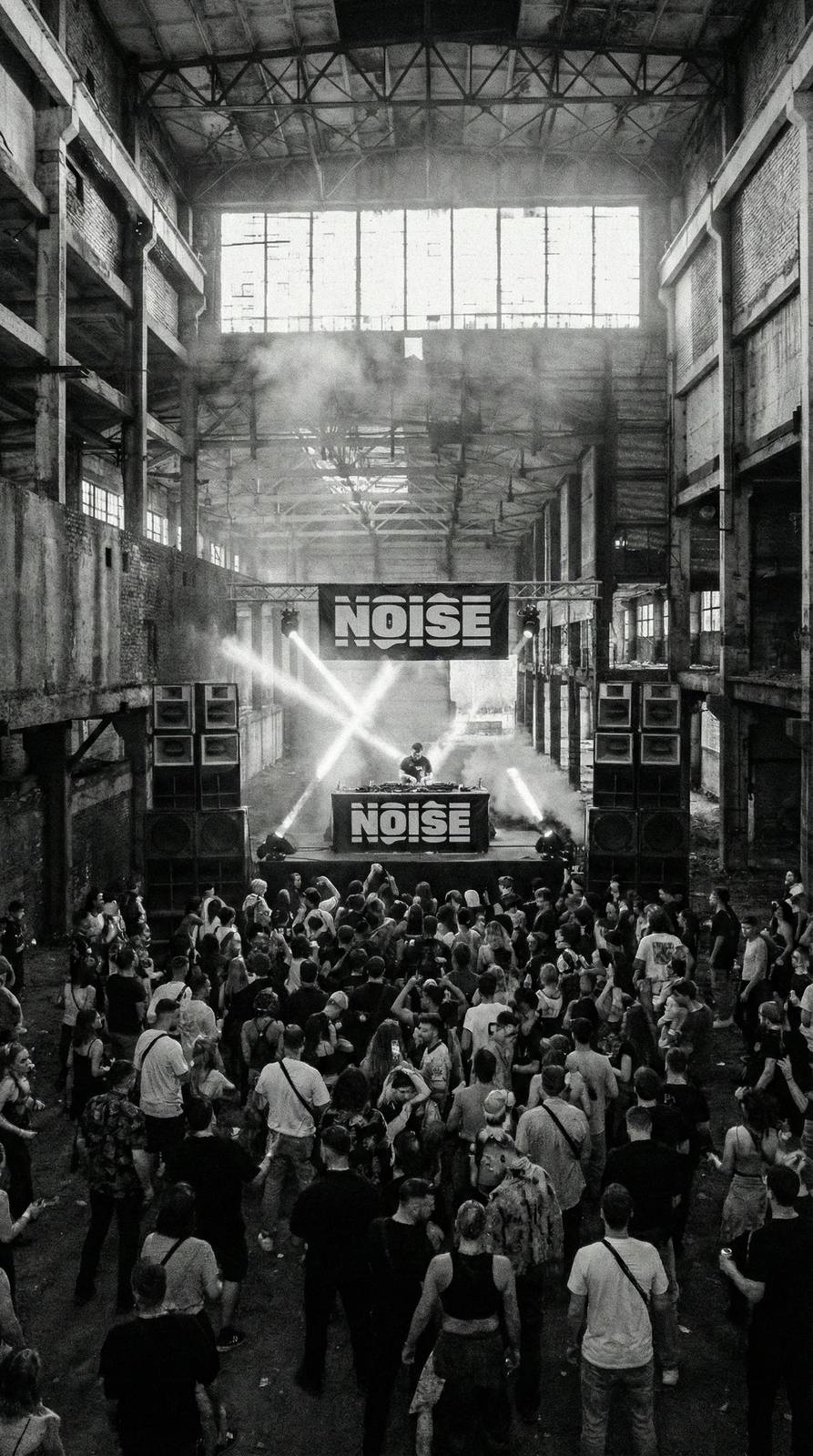

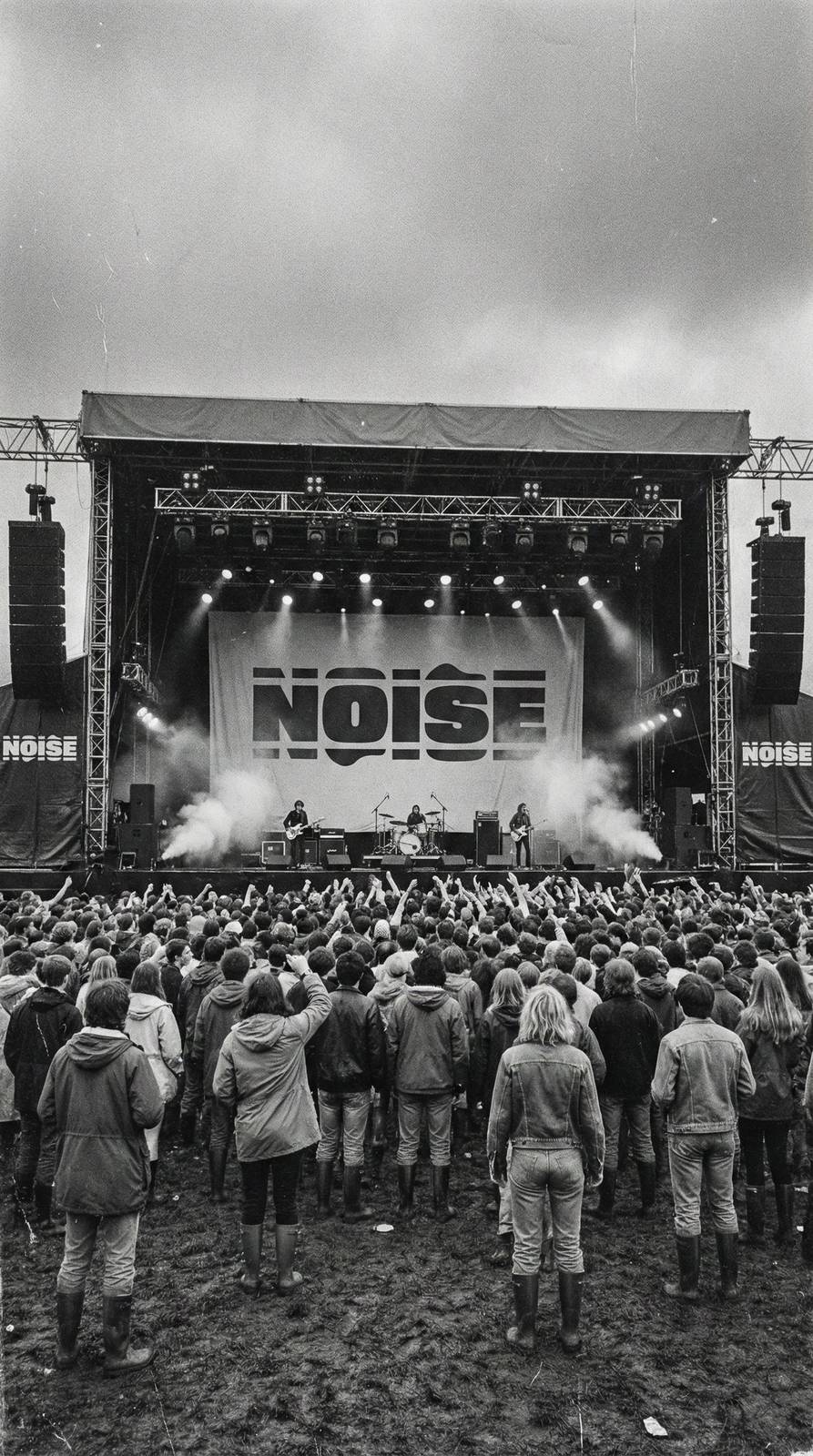
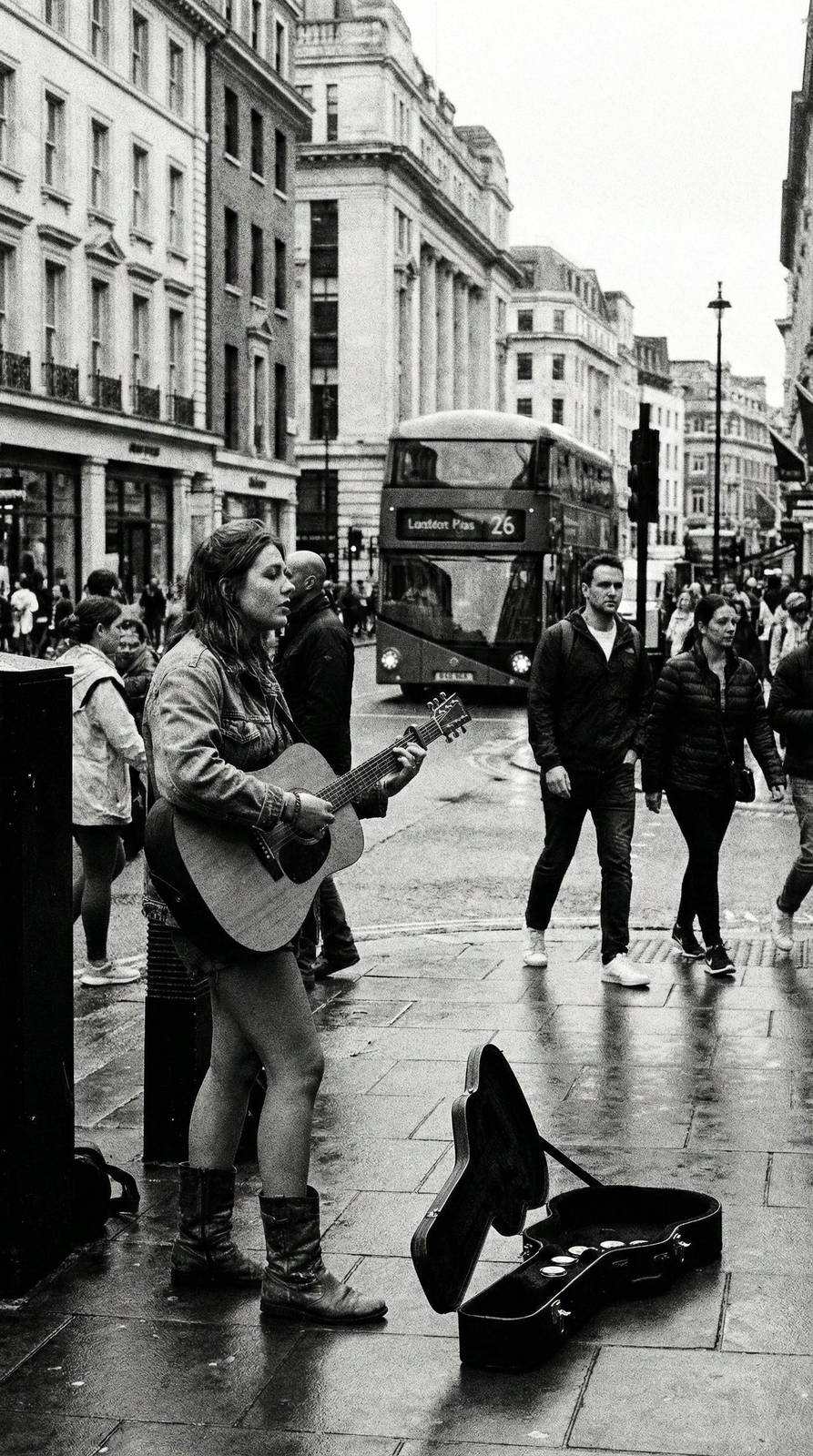
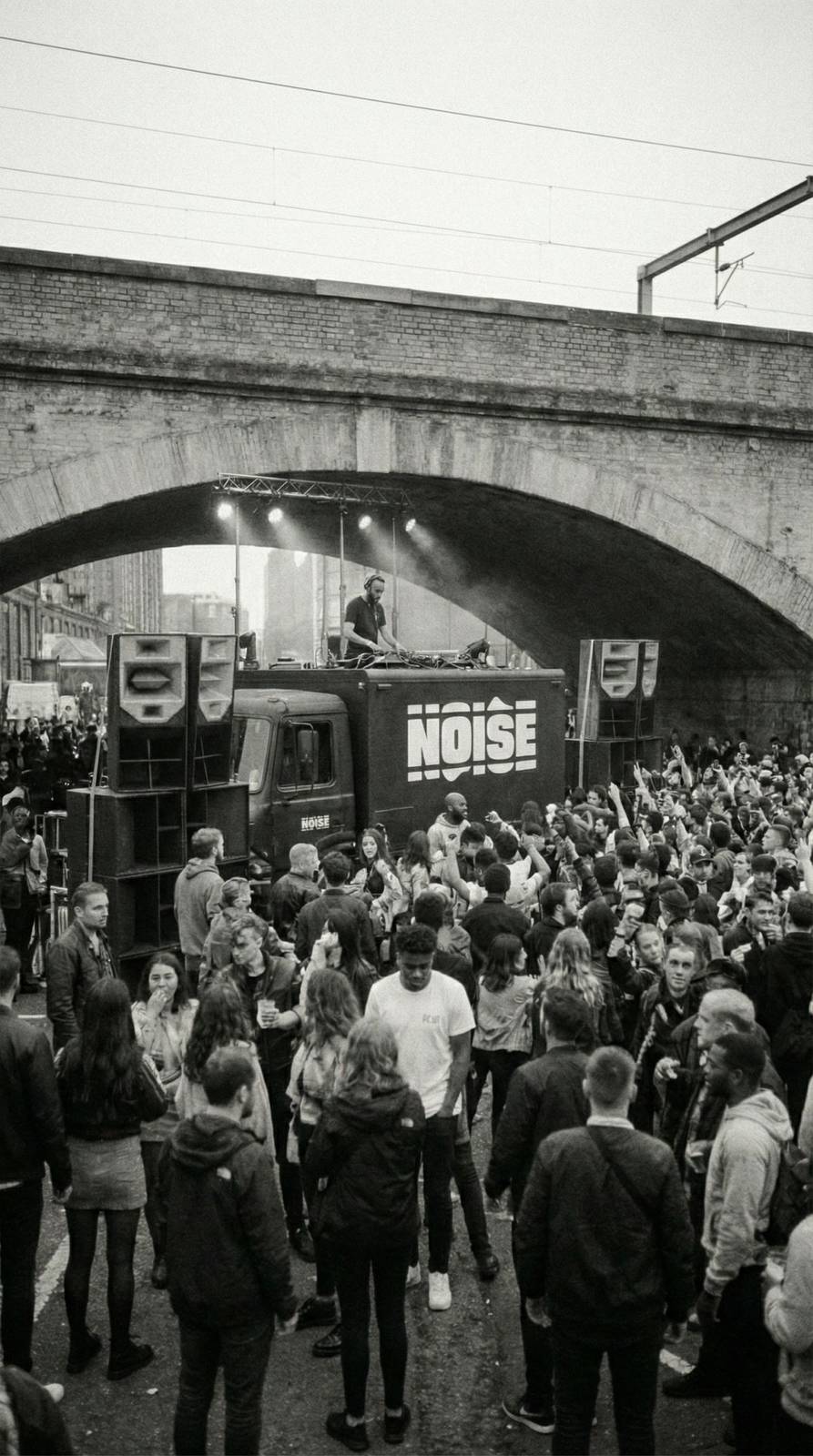
We talked to the people running grassroots music venues about what it's really like keeping the lights on and the music playing in 2025.
TL;DR
Venue owners share the financial realities of running grassroots music spaces: razor-thin margins, rising costs, and the constant threat of closure. But also: the irreplaceable magic of live music, the community it creates, and why they keep going despite everything.
Setting the Scene
The voices of people working in music — making it, booking it, promoting it, living it — are the most valuable resource for understanding how the industry actually works. Not the press releases or the LinkedIn posts, but the honest, unguarded perspectives of people in the trenches.
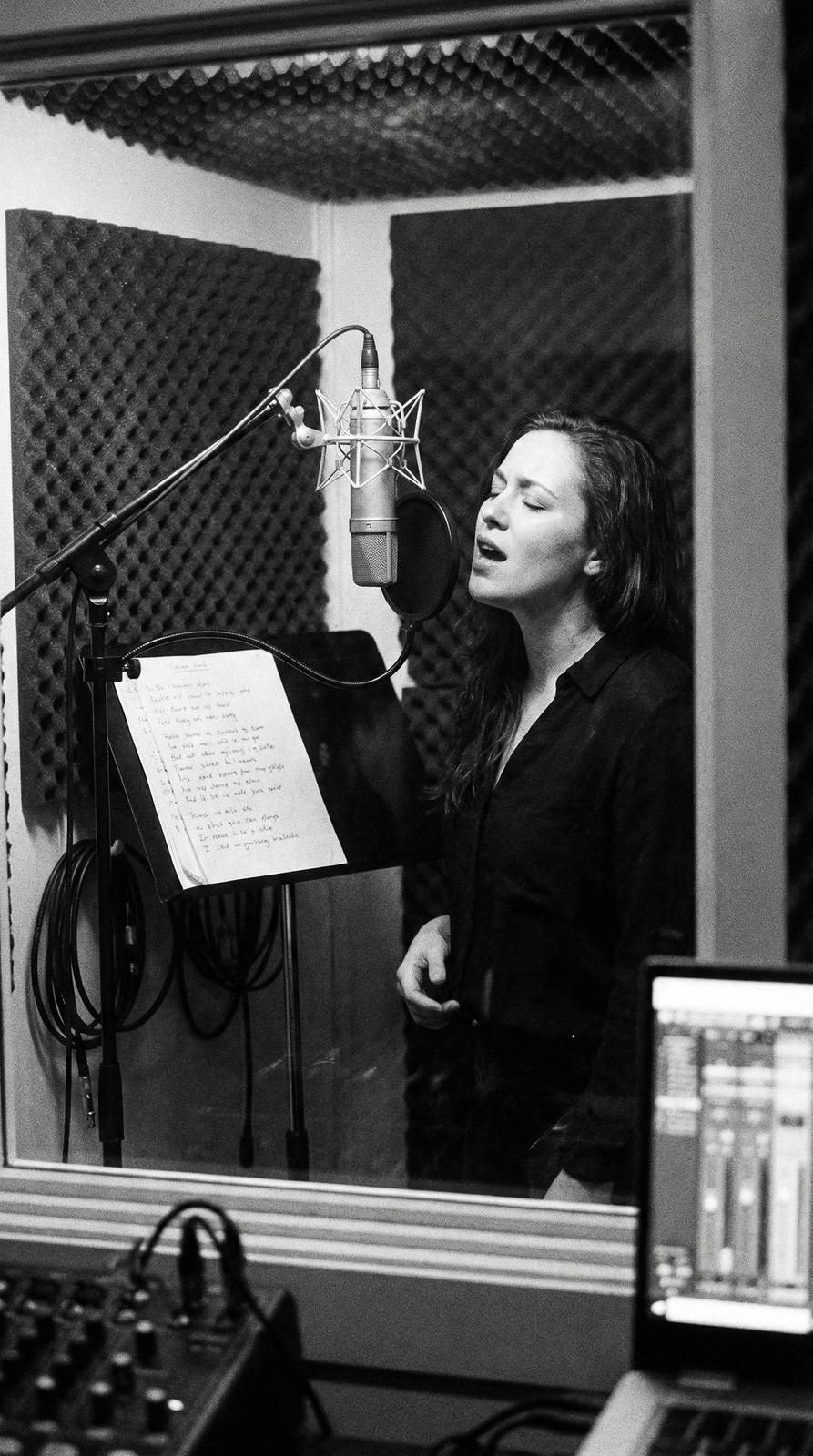
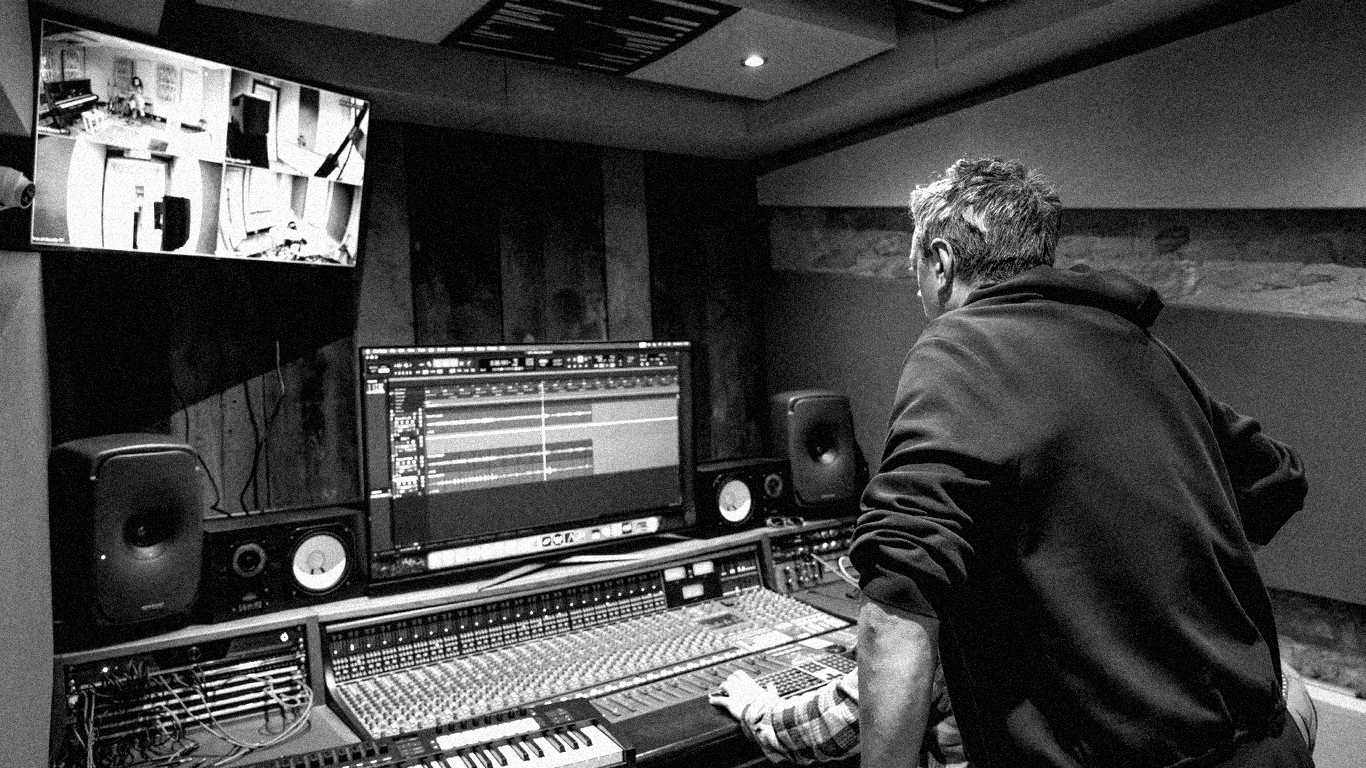
These conversations took place over several weeks, in studios, venues, coffee shops, and over video calls. We asked open-ended questions and let the conversations go where they naturally led. What emerged was far more nuanced and instructive than any official statement or industry report.
The common thread across every conversation was a deep, genuine love for music combined with a clear-eyed assessment of the challenges facing the industry. These are people who've chosen music despite its difficulties, not because of its rewards. Their perspectives deserve amplification.
The Honest Realities
Every person we spoke to was candid about the financial challenges of their work. From artists juggling day jobs with creative careers to venue owners counting pennies to keep doors open, the economic reality of the music industry for anyone outside the top tier is sobering.
But financial struggle isn't the whole story. Each conversation also revealed moments of genuine magic — the gig where everything clicked, the song that surprised even its creator, the community that formed around a venue or a scene. These moments, universally described with visible emotion, are what keep people in music.
The frustrations were remarkably consistent: platform economics that don't pay fairly, industry structures that favour established players, and a cultural narrative that undervalues the work of musicians and venue operators. The passion was equally consistent: a belief that music matters, that live performance is irreplaceable, and that the current challenges are worth fighting through.
Lessons and Advice
The advice from our interviewees converged on several themes. Patience: careers take years to build, and overnight success is almost always preceded by years of invisible work. Authenticity: audiences and industry people alike can detect manufactured personas, and genuine artistic identity is your most valuable asset.
Community: every person we spoke to emphasised the importance of being part of a community — supporting other artists, attending shows, contributing to the ecosystem that supports you. The music industry is a network, and your place in that network determines your opportunities.
Resilience: setbacks are inevitable. Releases that underperform, gigs that don't draw, opportunities that fall through. The artists and venue owners who thrive are those who absorb setbacks and keep going, learning from each experience without letting it define them.
And finally, joy: never lose sight of why you started. The love of music — creating it, performing it, experiencing it — is the foundation that sustains everything else. When the business gets difficult, the music itself is the reason to continue.
What This Means for the Industry
These conversations reinforced our conviction that the music industry needs structural reform, not just individual resilience. Artists shouldn't need superhuman persistence to build sustainable careers. Venue owners shouldn't need to operate on zero margin to keep live music alive. The systemic challenges require systemic solutions.
But systemic change starts with visibility — with honest conversations that show what the industry actually looks like for the people who power it. When policymakers, platform executives, and industry leaders hear these voices, they can't pretend the system works.
At Noise, amplifying these voices is central to our mission. We'll continue having these conversations, publishing these perspectives, and advocating for the changes that our interviewees need. Because the people making music and keeping venues open deserve an industry that works for them — not despite them.
If you're an independent artist, venue owner, or music industry worker who wants to share your story, reach out to us. Your voice matters, and we're here to amplify it.