


The most exciting music in 2025 lives between genres. Here's why rigid categories are dying and what's replacing them.
TL;DR
Genre boundaries are dissolving as artists blend influences freely and listeners consume across categories. Spotify data shows the average listener streams 8+ genres regularly. The future of music isn't genre-less — it's genre-fluid.
The Death of Genre Loyalty
The concept of being a 'rock fan' or a 'hip-hop head' as an exclusive identity is fading fast. Streaming data consistently shows that listeners consume music across an increasingly wide range of genres, and the algorithms that serve them actively encourage exploration.
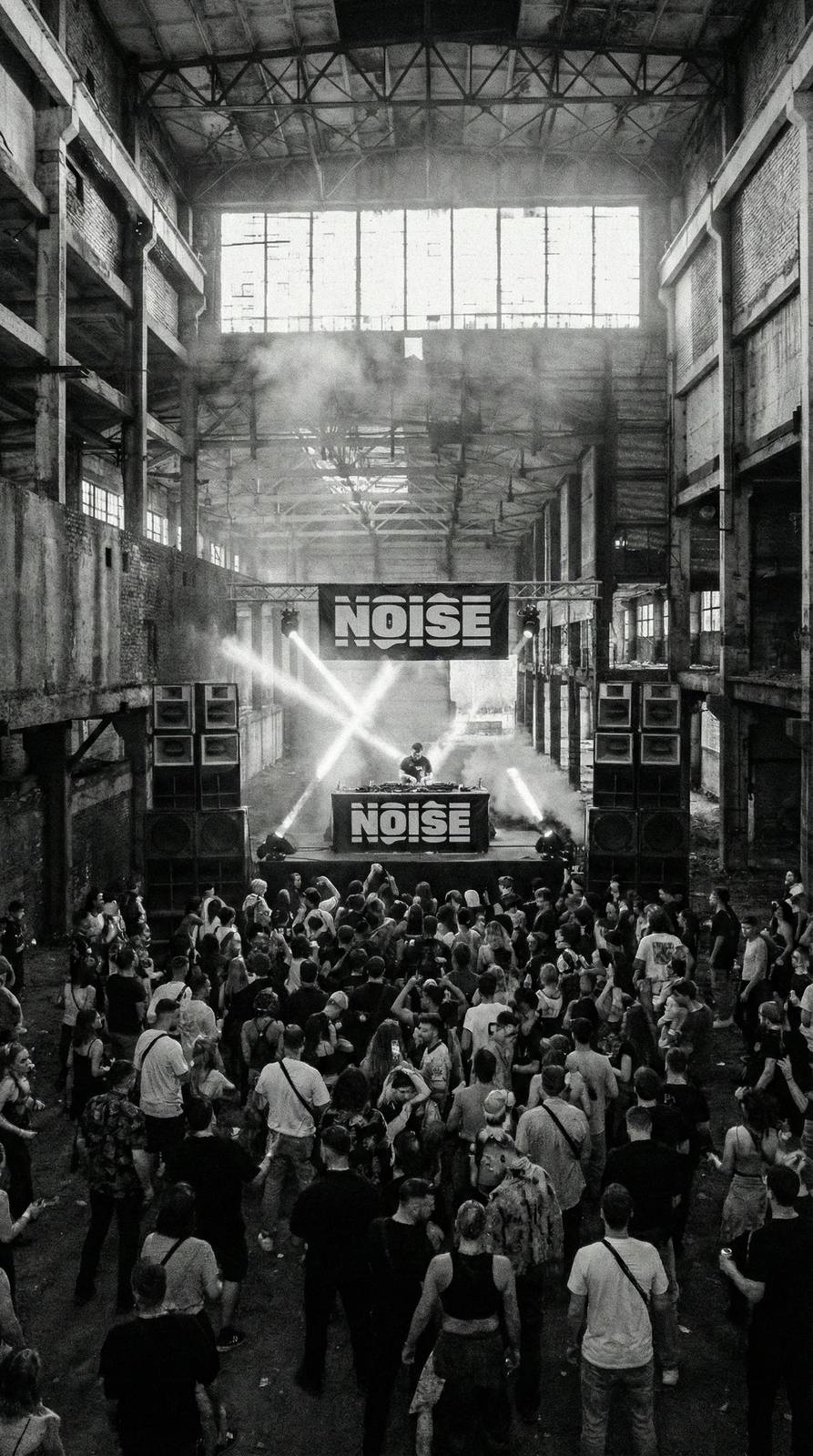
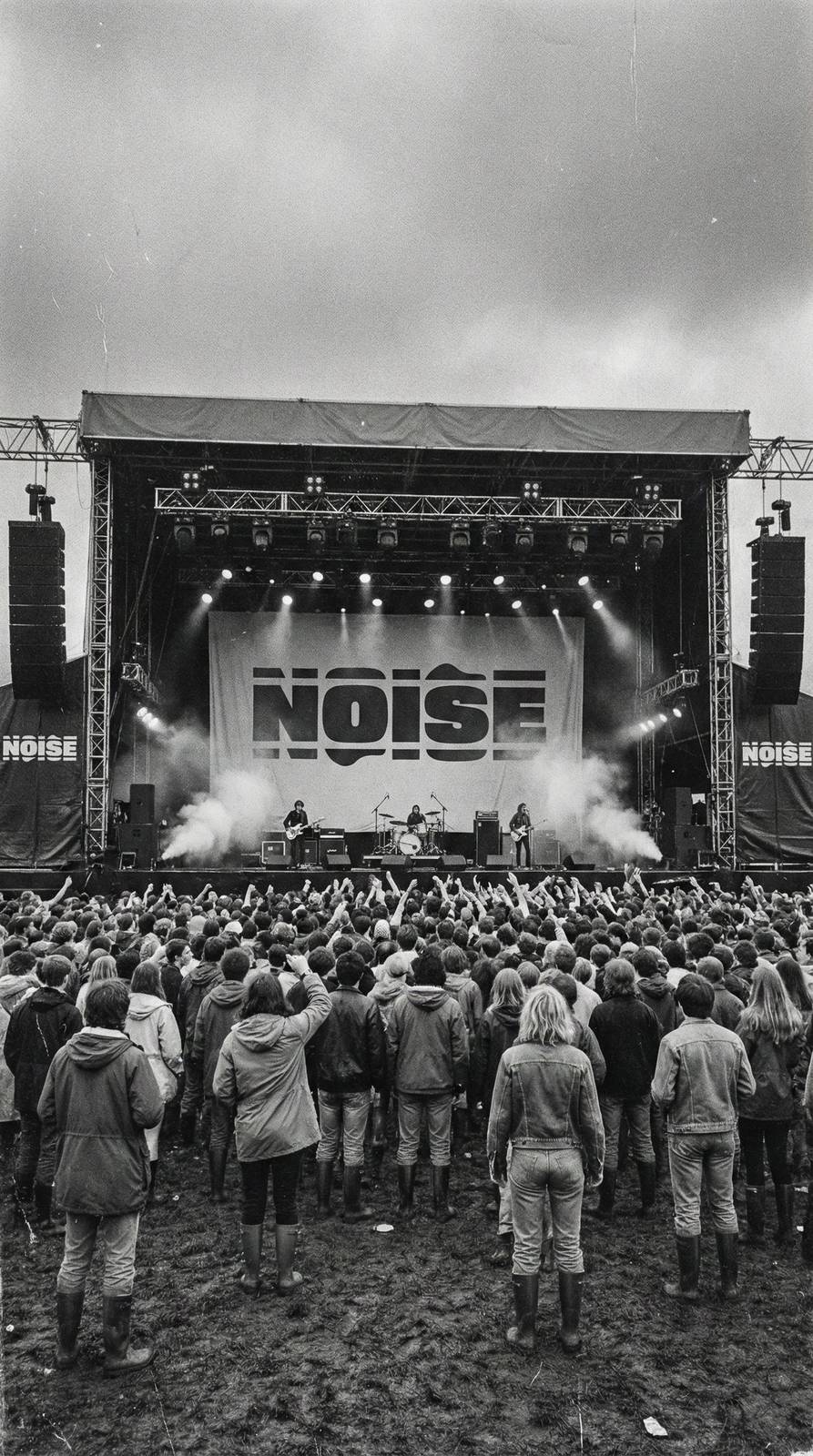
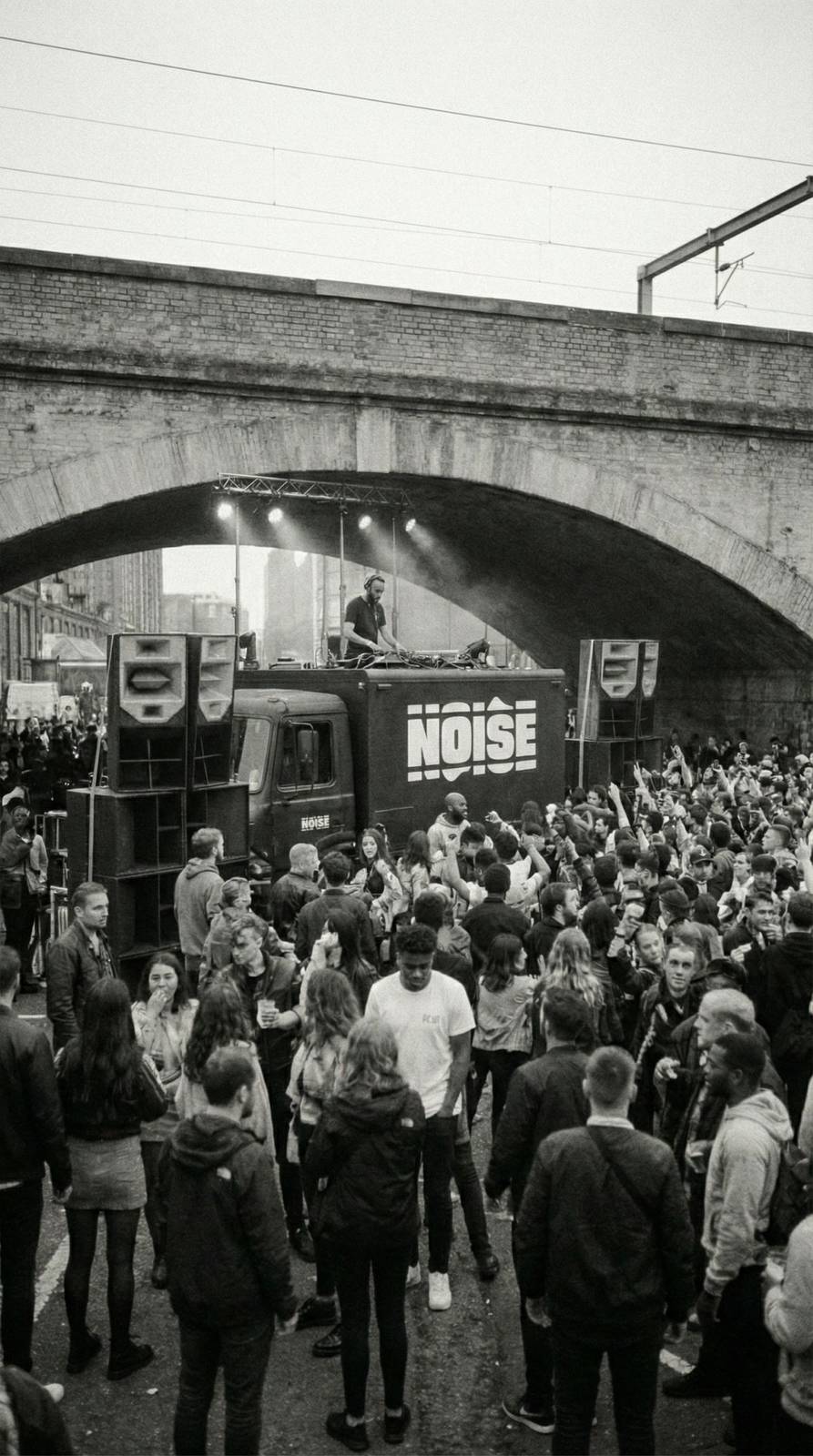
This isn't just a streaming phenomenon. Live music audiences are becoming more eclectic too. Festivals that mix hip-hop with electronic with indie with folk attract larger, more diverse audiences than genre-pure events. The audience has spoken: they want variety, surprise, and the unexpected.
For artists, this liberation from genre constraints is creatively thrilling. You no longer need to choose a lane and stay in it. A producer can release a jungle track one month and an ambient piece the next without confusing their audience — because the audience is already listening across genres.
The Artists Leading the Way
The most exciting artists in 2025 are those who treat genre as a palette rather than a prison. They draw from hip-hop, electronic, indie, soul, classical, folk, and global traditions — not as novelty but as natural creative vocabulary.
This genre-fluidity isn't new — artists like David Bowie, Bjork, and Radiohead pioneered it decades ago. What's new is that it's become mainstream rather than exceptional. The tools of production make it easier than ever to blend influences — a single DAW session can combine acoustic recordings, synthesised textures, sampled material, and processed vocals from any tradition.
The result is music that's harder to categorise but easier to connect with emotionally. When genre constraints are removed, the only organising principle that remains is feeling. Does this sound make you feel something? Then it works, regardless of what genre box it fits into.
Challenges for the Genre-Fluid Artist
Genre-blending creates practical challenges. How do you market music that doesn't fit neatly into one category? How do you pitch to genre-specific playlists? How do you describe your sound to potential fans?
The answer is to lean into the specificity of your blend rather than trying to fit into existing categories. Instead of saying 'I make music that defies genre,' say 'I combine the emotional directness of folk with the production techniques of UK bass music.' The former is vague; the latter is interesting and specific.
Playlist strategy requires targeting multiple genre playlists rather than dominating one. A genre-blending track might fit on an indie playlist, an electronic playlist, and a mood-based playlist. Cast a wider net rather than trying to force your music into a single category.
And accept that some people won't get it. Genre-fluid music can confuse listeners who have strong genre preferences. That's fine — your audience is the people who are open to new experiences, and that audience is growing every year.
What This Means for the Future of Music
Genre categories aren't disappearing entirely — they're becoming more fluid, more granular, and more descriptive rather than prescriptive. The 6,000+ microgenres that Spotify uses to categorise music (like 'escape room,' 'indie poptimism,' and 'tropical alternativo') reflect a world where broad categories have given way to specific vibes and aesthetics.
For the music industry, this means traditional genre-based marketing and A&R strategies need to evolve. Signing artists because they fit a hot genre is increasingly risky — genres move too fast. Signing artists because they have a unique creative vision that transcends genre is a better long-term bet.
For music culture, genre dissolution means more interesting music, more diverse audiences, and more creative freedom for artists. The trade-off is the loss of the communal identity that genres provide — being part of 'the hip-hop community' or 'the rave scene' means something beyond musical preference.
At Noise, we believe the best music has always transcended categories. Genre is a useful shorthand, not a set of rules. The artists who'll define the next era of music are the ones who use every colour on the palette without apologising for it.