

Your next favourite artist is probably in a 15-second clip you haven't scrolled past yet. Here's how social media has rewired music discovery — for better and worse.
TL;DR
Social media now drives more music discovery than radio, blogs, or word-of-mouth for under-30 listeners. TikTok leads, but Instagram Reels and YouTube Shorts are catching up. The model favours short, hooky moments over album-length artistry.
The Discovery Landscape Has Fundamentally Changed
For previous generations, discovering new music happened through a relatively small number of channels: radio, music press, record shop browsing, recommendations from friends, and live music. The gatekeepers were DJs, journalists, and shop staff whose taste shaped what reached listeners.
In 2024, social media has displaced all of these channels for listeners under 30. Research from IFPI shows that TikTok is now the primary music discovery platform for 16-24 year olds, ahead of Spotify, YouTube, radio, and all other sources. For 25-34 year olds, YouTube (including Shorts) leads, with social media collectively dominating.
This isn't a gradual shift — it's a revolution in how music reaches ears. The gatekeepers have changed from a small number of industry professionals to an algorithm that serves content based on engagement metrics. The implications for artists, listeners, and the culture at large are profound.
What Works: Democratisation and Speed
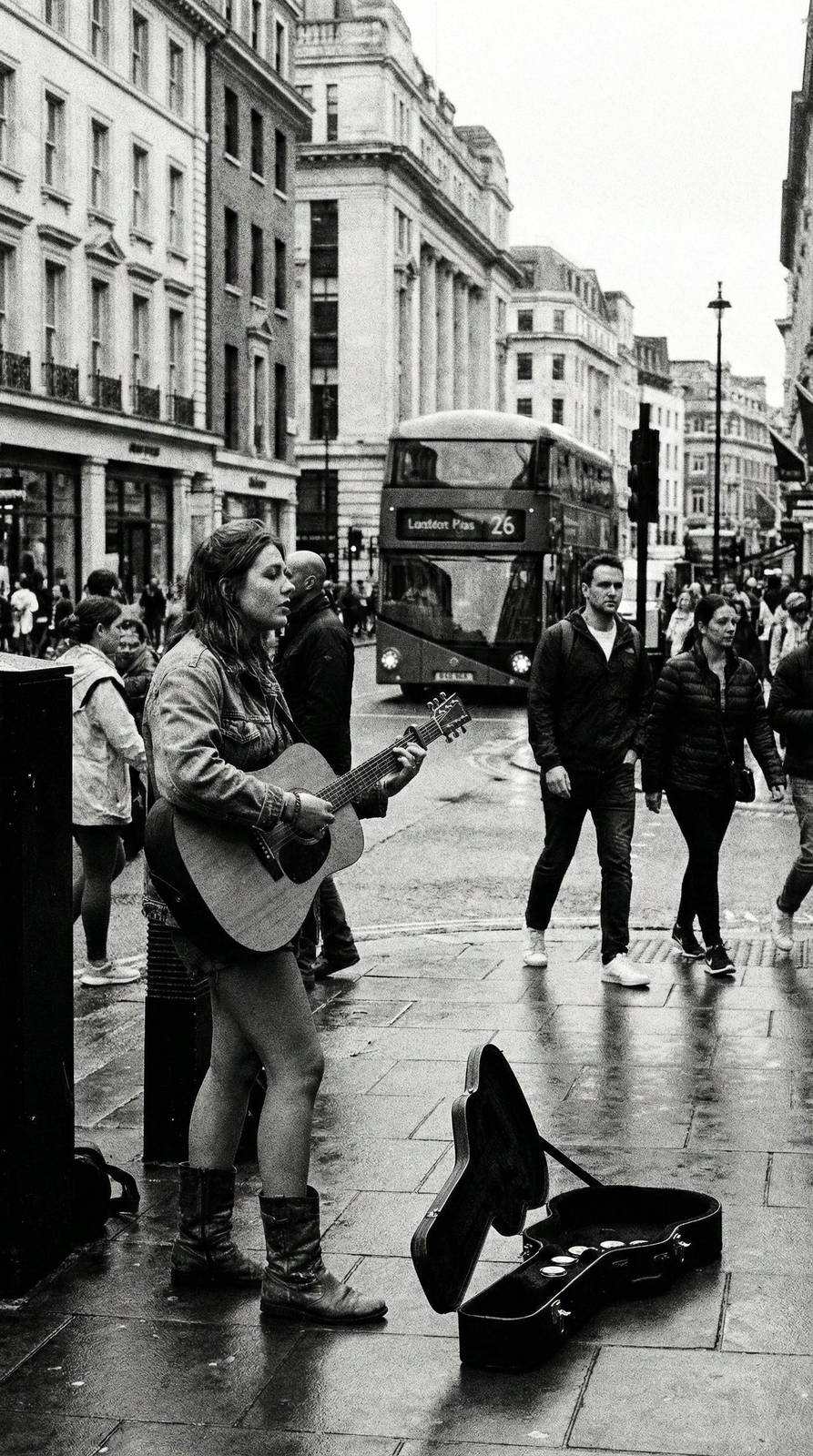
The positive case for social media discovery is compelling. A 17-year-old bedroom producer in Wolverhampton can upload a 15-second clip and, if the algorithm picks it up, reach millions of listeners within hours. No label, no PR company, no radio plugger required.
This democratisation of access is genuinely transformative. Artists from backgrounds, locations, and genres that would have struggled to reach traditional gatekeepers can now find audiences directly. The geographic bias of the old system — where proximity to London or major music cities was almost essential — has been significantly reduced.
The speed of discovery has also accelerated. In the radio era, breaking a new artist took months of promotion. On social media, it can happen overnight. For listeners, this means a constant stream of new music to explore — an embarrassment of riches compared to previous eras.
What's Lost: Context, Depth, and Artist Wellbeing
Social media discovery optimises for moments, not artistry. A 15-second clip that hooks a scrolling thumb bears little relation to the experience of listening to a full song, let alone an album. The art of the album as a cohesive artistic statement is increasingly challenged by a discovery model that evaluates music in fragments.
Context is another casualty. When a blog reviewed an album, they provided context: influences, themes, cultural significance. Social media discovery provides none of this — just a clip, a vibe, a scroll. The depth of engagement with music is arguably declining even as the breadth of exposure increases.
Artist wellbeing suffers too. The pressure to constantly create content — not music, but social media content about music — diverts creative energy from what matters. Artists report spending more time filming TikToks than writing songs. The platform doesn't care about your art — it cares about your engagement metrics.
Navigating the New Landscape
For artists, the strategy is clear: use social media strategically without letting it consume you. Establish a consistent content rhythm (3-5 posts per week), use your music as the soundtrack, and prioritise authenticity over trends. Batch-create content in dedicated sessions so it doesn't eat into your creative time.
For listeners, the strategy is equally clear: supplement social media discovery with deeper engagement. When you discover an artist through a 15-second clip, listen to the full song. Then listen to three more. Then listen to their album. Use social media as a starting point, not the destination.
For the industry, the challenge is supporting artists in navigating a landscape that demands content creation alongside music creation. Labels and management companies need to provide content support without turning artists into full-time social media managers.
Social media hasn't killed great music — it's just changed how it reaches us. The artists who'll thrive are those who make social media work for their music, rather than making their music work for social media.