

Club bookings are just one income stream. Here's the complete map of how DJs actually make money in 2025 — and most of it doesn't require a residency.
TL;DR
DJ income in 2025 comes from clubs, events, weddings/corporate, teaching, streaming, production, Patreon, sample packs, and brand partnerships. Diversification is key — the DJs who thrive have multiple revenue streams, not just bookings.
Club and Event Bookings: The Traditional Path
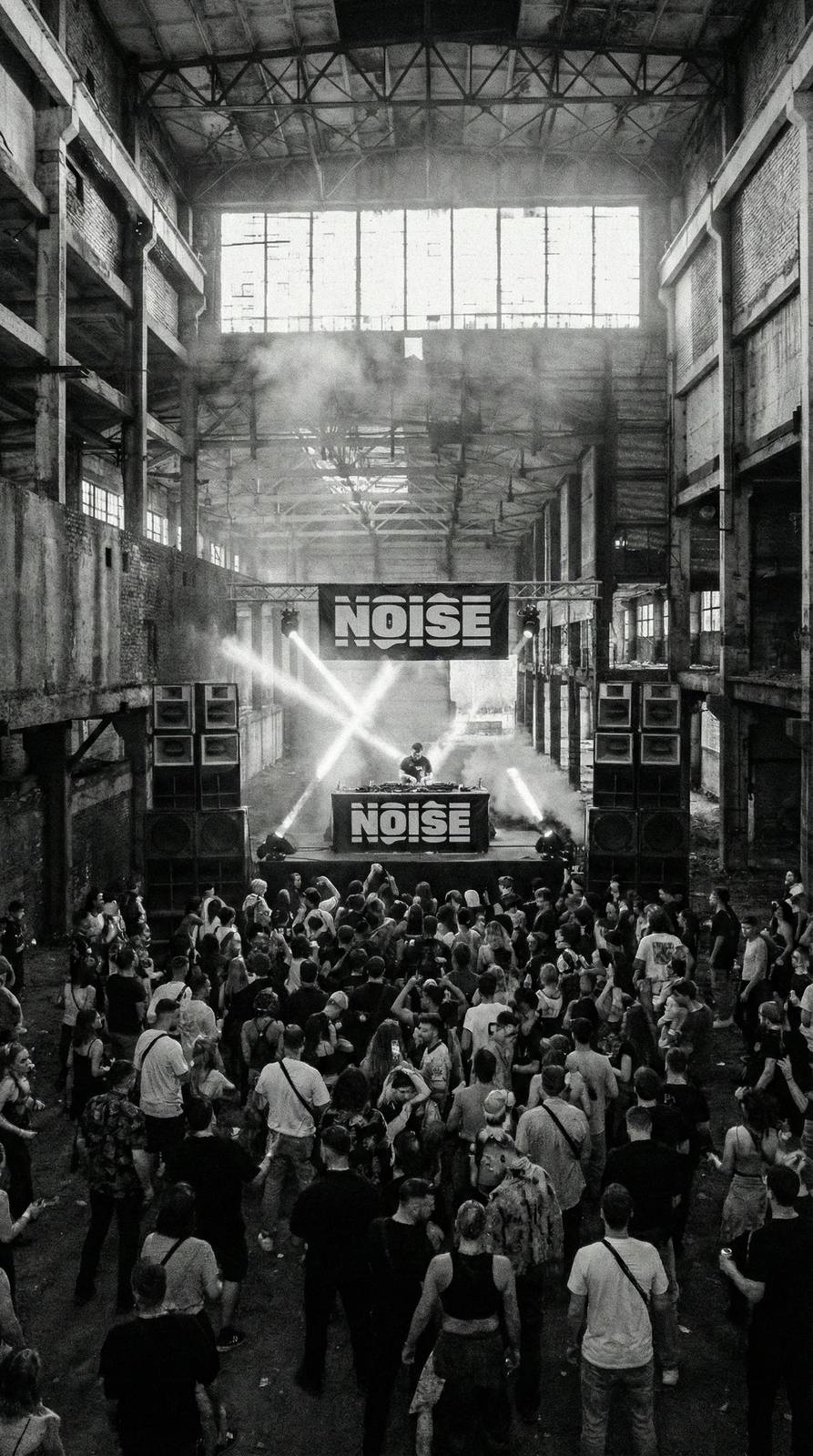
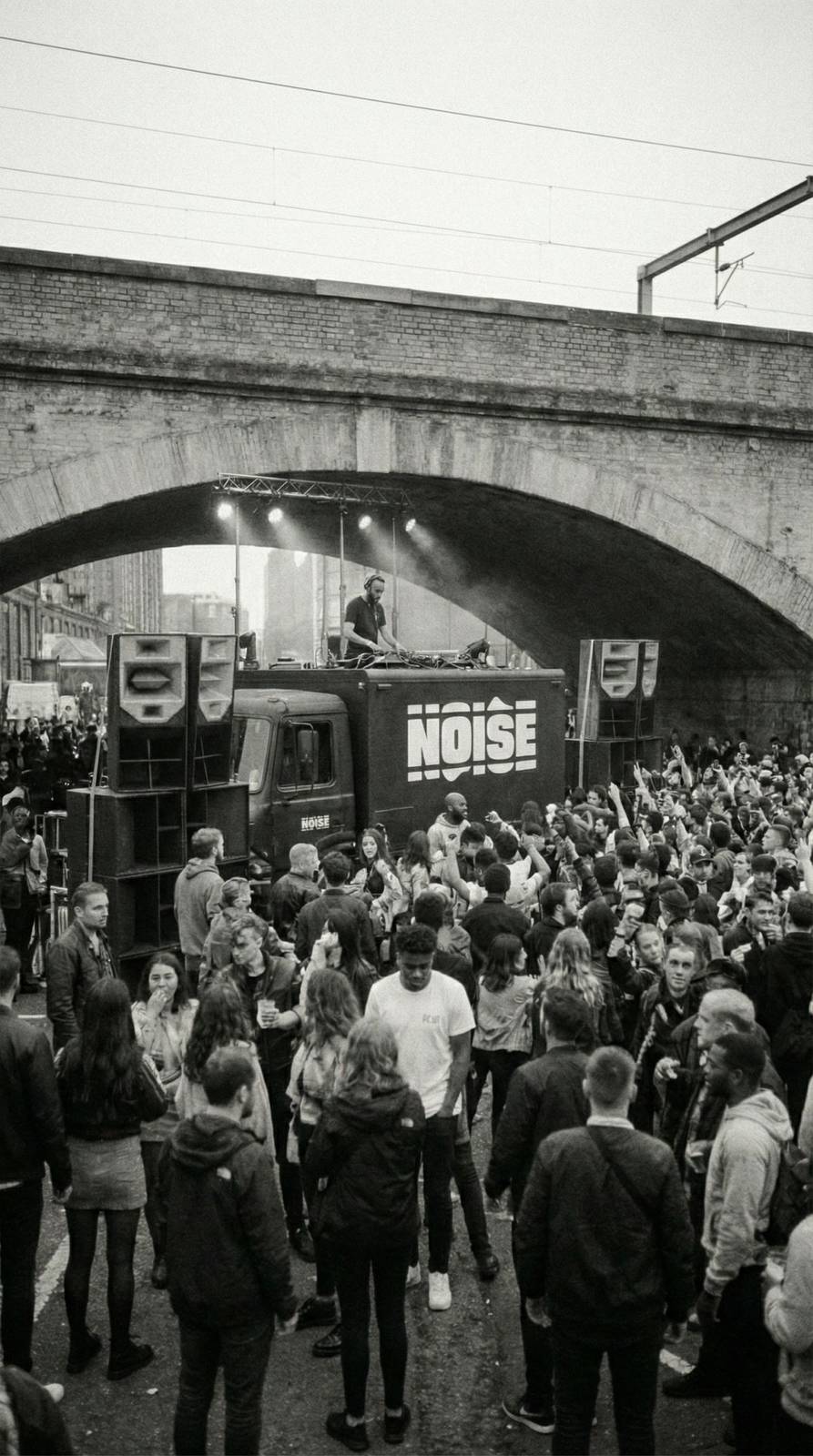
Club bookings remain the most visible DJ income stream, but they're also the most competitive. The path from bedroom DJ to paid club residency typically takes years of networking, building a following, and working for free or at minimal fees.
Fees vary enormously based on profile and market. A local DJ at a small club might earn £50-150 per set. A DJ with a regional following and strong social media presence can command £200-500. National-level DJs with regular bookings and a recognised name earn £500-2000+ per set. And the top tier — festival headliners and international touring DJs — earn five figures per appearance.
The reality for most DJs is that club bookings alone won't pay the bills, especially in the early years. The smart approach is to use club sets for profile building and audience development while generating reliable income from other sources.
Private Events: The Money Nobody Talks About
Wedding and corporate DJing is often looked down upon in the underground DJ community, but it's where many DJs earn their most reliable income. A wedding DJ in the UK can charge £500-1500 per event, with the high end reaching £2000+ for premium services.
Corporate events — company parties, product launches, brand activations — can pay even more. Corporates have bigger budgets and are less price-sensitive than promoters. A DJ who can provide professional service, appropriate music selection, and reliable equipment can build a lucrative corporate clientele.
The key to success in private events is understanding that it's a service business. The client's vision matters more than your personal taste. Your ability to read a room, adjust to the audience, and deliver a great experience determines whether you get referrals.
Many successful DJs maintain both a 'brand' identity (their club/festival persona) and a private events business. The two don't conflict — they're different services for different audiences.
Teaching and Content Creation
If you have DJ skills, there are people who'll pay to learn them. Private DJ lessons (in-person or via Zoom) at £30-60 per hour provide steady income, and you only need a handful of regular students to make it meaningful.
Online courses on platforms like Udemy, Skillshare, and your own website can generate passive income. A well-made DJ course — covering beatmatching, mixing techniques, track selection, equipment setup — can sell for years with minimal maintenance.
YouTube content about DJing — equipment reviews, technique tutorials, mix breakdowns — generates ad revenue while building your authority and audience. The most successful DJ YouTubers earn more from content than from bookings.
Twitch and YouTube live DJ streams have created a new income stream. Regular streaming sessions build community, generate subscription and donation income, and create opportunities for brand partnerships with equipment companies.
Production, Releases, and Sync
DJs who also produce music have significantly more income potential than those who don't. Original productions open doors to royalty income, sync licensing, remixing commissions, and production-for-hire work.
Even if your DJ sets are your primary creative output, learning basic production expands your earning potential dramatically. Edit-only productions — reworking existing tracks into DJ-friendly versions — are a lower barrier entry point than original production.
Sample packs and loop packs are another production-adjacent income stream. If you have a distinctive sound — whether that's drum programming, bass synthesis, or effects processing — packaging those sounds for sale on Splice or Bandcamp creates passive income from your production skills.
Brand partnerships with equipment companies (Pioneer, Allen & Heath, Native Instruments) can provide gear, income, and visibility. These partnerships typically require a meaningful social media presence and professional content, but they're accessible to mid-tier DJs — not just superstars.
The DJs who build sustainable careers in 2025 are those who see DJing as the hub of a wheel, with multiple revenue spokes extending outward. Club sets might be the most fun spoke, but it's the combination of all spokes that keeps the wheel turning.