

Music industry networking has a terrible reputation because most people do it badly. Here's how to build genuine connections that actually advance your career.
TL;DR
Good networking is building genuine relationships, not collecting business cards. Attend industry events, offer value before asking for favours, follow up personally, and play the long game. The best networking happens when you stop thinking of it as networking.
Why Most Music Networking Fails
The music industry has a networking problem. Not because people don't network — they do, relentlessly — but because most networking is done badly. The result is a culture where industry events feel transactional, LinkedIn messages feel hollow, and the word 'networking' itself makes people cringe.
Bad networking looks like this: approaching someone at an event, immediately pitching your music/services/project, thrusting a business card or USB into their hand, then moving on to the next target. This approach treats people as resources to be mined rather than humans to be connected with. It rarely works and actively damages your reputation.
Good networking is virtually indistinguishable from making friends. It's being genuinely interested in people, having real conversations, finding common ground, and building relationships that develop naturally over time. The fact that these relationships sometimes lead to professional opportunities is a byproduct, not the purpose.
Where to Meet People
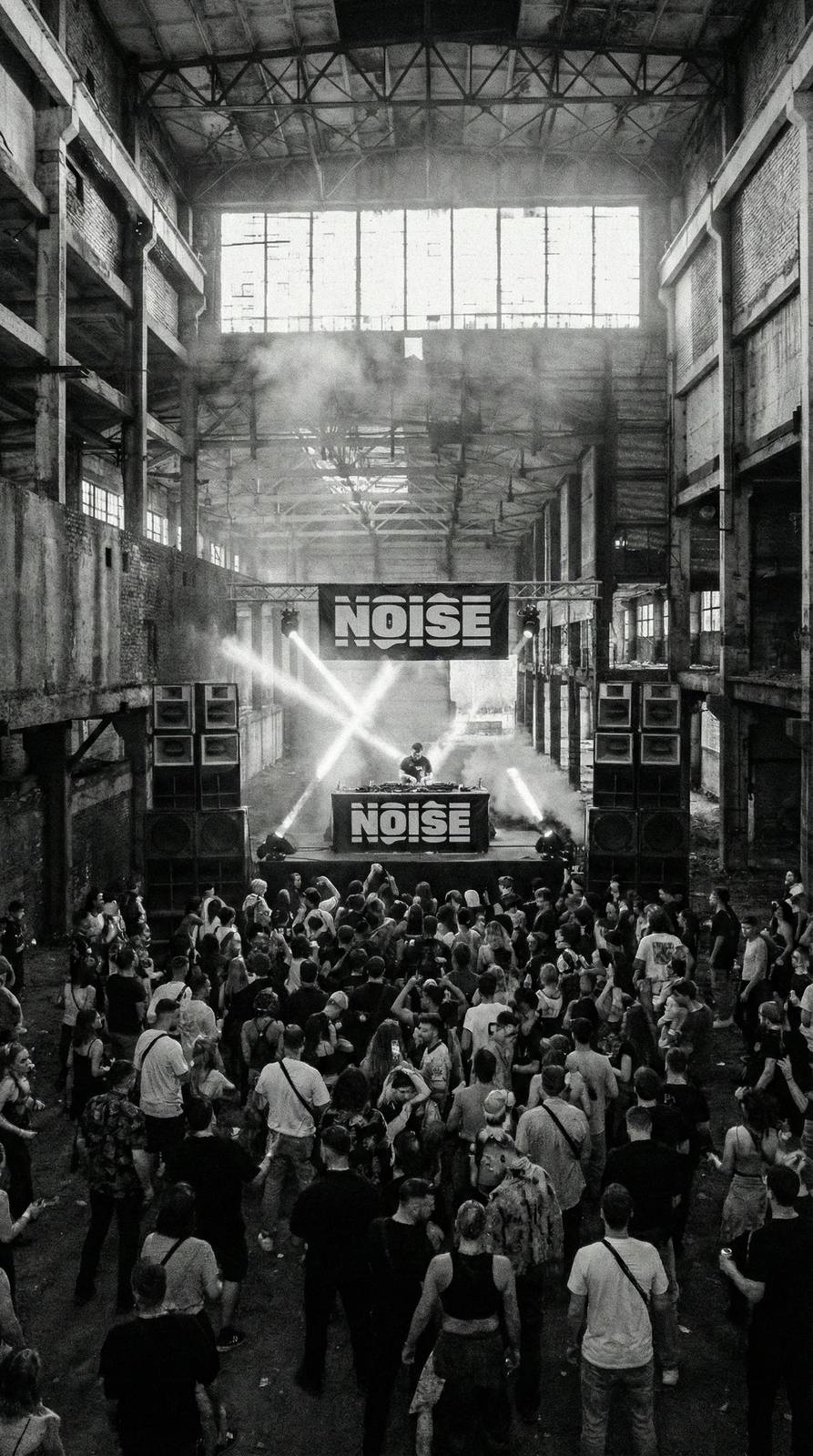
Industry conferences are the most concentrated networking environments. The Great Escape, AIM Indie-Con, Music Week Tech Summit, In The City, and Liverpool Sound City all combine daytime panels with evening showcases. The panels provide talking points; the social events provide the setting.
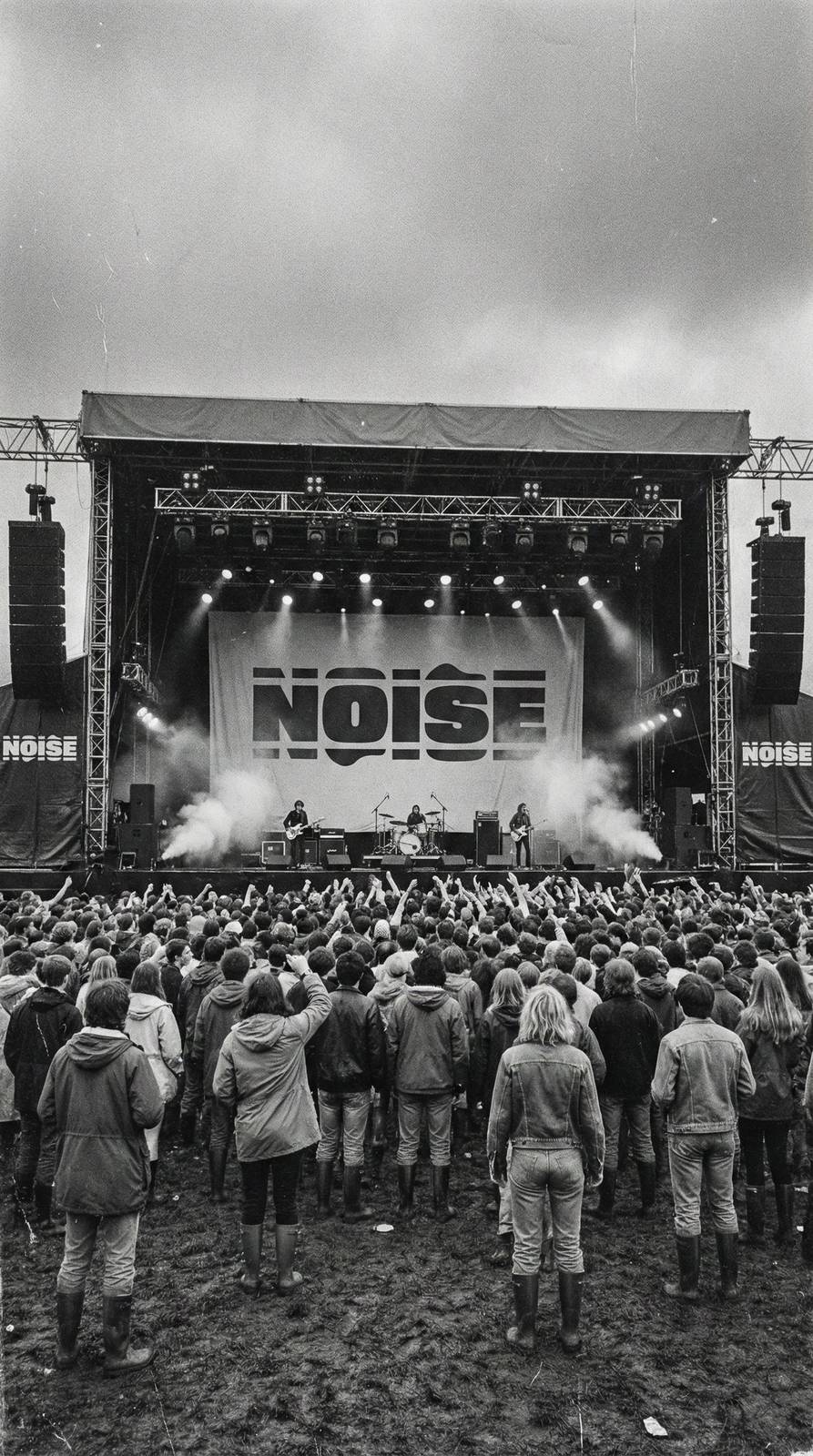
Live shows are underrated networking spaces. Going to gigs — particularly for emerging artists — puts you in rooms with managers, agents, label people, and other artists who share your taste. The shared experience of watching a great set creates natural conversation starters.
Online communities have become increasingly important. Music industry Discord servers, Reddit communities (r/WeAreTheMusicMakers, r/MusicIndustry), and X threads create spaces for ongoing conversation. Contributing thoughtfully to these communities builds recognition over time.
Workshops and courses — from PRS workshops to music production classes — combine learning with community. The people you study alongside often become your network.
The Rules of Not Being Awful
Lead with interest, not intent. Ask people about their work, their opinions, their recommendations. People enjoy talking about what they do when the listener is genuinely engaged. The conversation will naturally find its way to relevant professional topics.
Offer value before asking for anything. Can you share someone's music? Connect two people who should know each other? Offer a useful insight or recommendation? People remember those who helped them more than those who asked for help.
Be memorable for the right reasons. A genuine, specific compliment ('I loved how you mixed those dubstep elements into that ambient set — that was bold') is infinitely more memorable than generic praise. Showing that you actually engaged with someone's work signals respect.
Follow up personally. After meeting someone at an event, send a brief, specific message referencing your conversation. 'Great chatting about the Bristol scene — here's that producer I mentioned' is better than 'Great to connect!'.
Be patient. The relationships that matter in the music industry develop over months and years, not minutes. Someone you meet today might not become professionally relevant for three years — but when they do, the existing relationship means everything.
Networking as a Practice, Not an Event
The most effective networkers don't think of networking as a discrete activity. It's woven into their daily practice — engaging with peers on social media, attending shows, sharing music, having conversations. The connections accumulate naturally.
Set a sustainable rhythm. Attend one industry event per month. Engage with five industry people on social media per week. Go to two gigs per month. Send one thoughtful follow-up message per week. These small, consistent actions compound into a robust professional network over time.
Maintain your connections. The biggest networking mistake is treating contacts as one-time interactions. Stay in touch — share relevant articles, congratulate achievements, check in occasionally without agenda. Dormant connections are nearly useless; maintained connections are invaluable.
And always, always be genuine. The music industry is small enough that authenticity is eventually visible and inauthenticity is eventually exposed. Build a reputation for being straightforward, reliable, and genuinely interested in music and the people who make it. That reputation is your most valuable networking asset.