

An EP is the perfect format for establishing your sound. Here's the end-to-end strategy: recording, artwork, distribution, marketing, and release day execution.
TL;DR
An EP (4-6 tracks) lets you make a stronger statement than a single without the commitment of an album. Plan your release timeline 8-12 weeks out. Lead with a single, roll out content strategically, and coordinate distribution, press, playlists, and social media for maximum impact.
Why the EP Format Works for Emerging Artists
An EP is the Goldilocks format for emerging artists: enough music to demonstrate range and depth, not so much that you spend years making it. Four to six tracks lets you show multiple sides of your artistry while maintaining focus and quality.
Strategically, an EP gives you more to work with than a single. You can roll out individual tracks over weeks, creating sustained momentum rather than a single spike of attention. Each track is a new playlist pitching opportunity, a new press hook, and a new piece of content.
The EP also sends a signal of seriousness. Anyone can upload a single; an EP requires more planning, more creativity, and more commitment. For industry professionals evaluating whether to invest time in an artist, an EP demonstrates that you have depth and consistency, not just one good idea.
The Recording and Production Phase
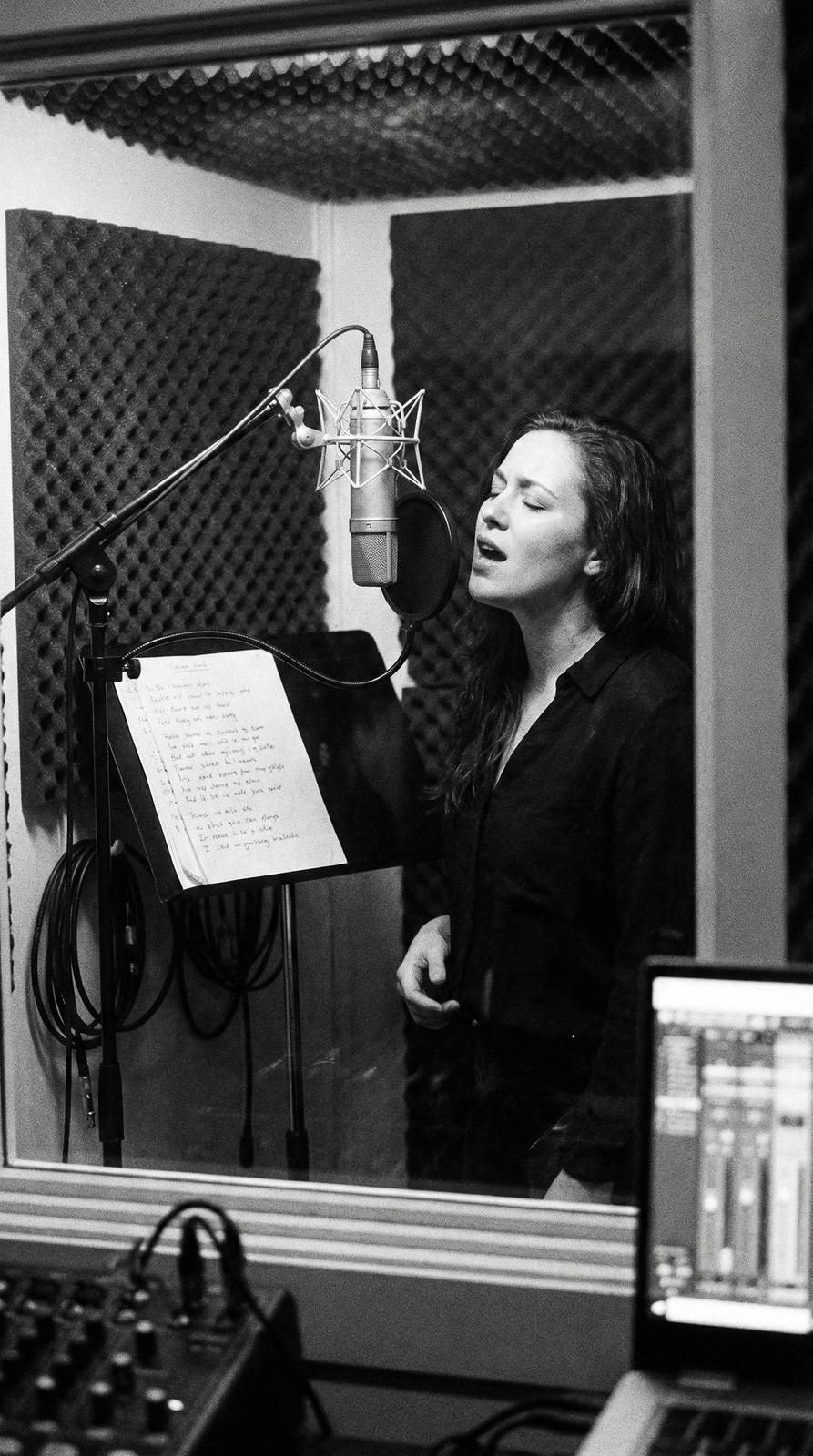
Plan your EP as a cohesive body of work, not a collection of random songs. Consider the sequence: what's the opening statement? Where's the emotional peak? What's the closing sentiment? An EP with intentional sequencing tells a story that individual tracks can't.
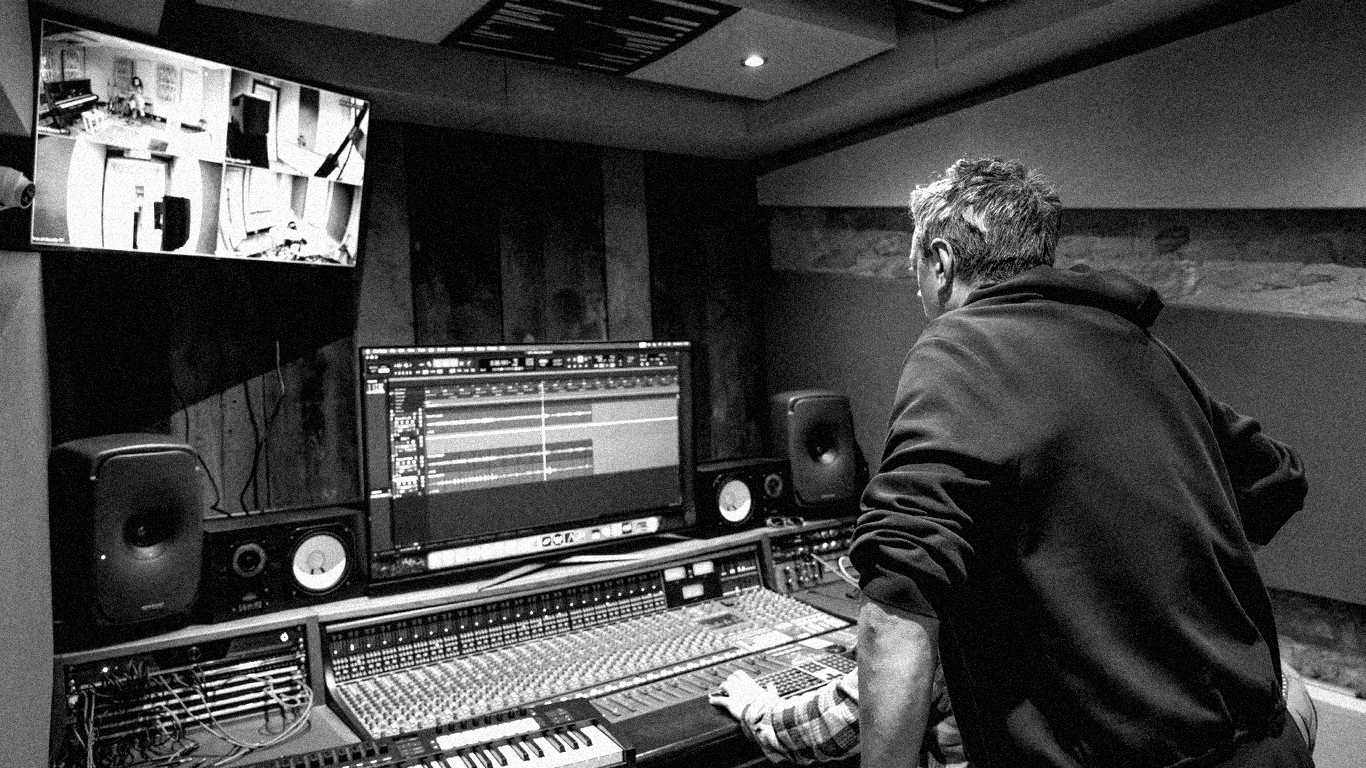
Mix and master all tracks together (or at the same time) to ensure sonic consistency. An EP where track one sounds like a professional studio recording and track four sounds like a bedroom demo creates a jarring listening experience. Even if tracks were recorded at different times, unified mixing and mastering ties them together.
Leave enough time between finishing the music and the release date for all the non-music tasks: artwork, distribution upload (typically 3-4 weeks before release for proper store propagation), press outreach, playlist pitching, and content creation. Rushing the rollout undermines the music.
The 8-Week Release Timeline
Week 1: Upload to your distributor (DistroKid, TuneCore, Ditto). Select a release date 4+ weeks out to allow proper store propagation and playlist pitching time. Submit the lead single to Spotify for Artists editorial pitching.
Weeks 2-4: Release the lead single. Promote through social media, press outreach, and playlist submissions. Create and share behind-the-scenes content about the EP's creation. Begin reaching out to blogs and publications with the full EP for review consideration.
Weeks 5-6: Release a second single or promotional track. Ramp up social content. Share snippets of other EP tracks to build anticipation. Launch pre-save campaigns for the full EP. Submit the second single for playlist pitching.
Weeks 7-8: Full EP release. Coordinate a release day push across all platforms. Share the EP with your email list, social media, and direct fan contacts. Respond to every comment and message. Keep the momentum going with visual content, live performances, and ongoing promotion for 2-3 weeks post-release.
Artwork and Visual Presentation
Your EP artwork is the first thing most people see before hearing a note. It should visually represent the music's character and be consistent with your broader visual brand. A striking, memorable cover increases the likelihood of clicks in a sea of streaming thumbnails.
Design for multiple formats: a 3000x3000 pixel square for streaming platforms, social media adaptations (story formats, post formats), and potentially physical formats if you're pressing vinyl or CDs. Create a visual system for the EP — colour palette, typography, photographic style — that extends across all promotional materials.
If budget allows, hire a graphic designer or visual artist. If not, Canva's EP artwork templates provide professional starting points. Collaborate with art student friends or commission emerging visual artists — the combination of emerging musicians and emerging visual artists is a natural and mutually beneficial partnership.
Post-Release: Keeping Momentum Alive
Release day is not the finish line — it's the starting line. The weeks after release are when most promotional opportunities materialise: press reviews, playlist additions, social media traction, and word-of-mouth discovery all build over time rather than spiking on day one.
Create ongoing content from your EP: acoustic versions, behind-the-scenes recording stories, lyric breakdown videos, live performance clips, and remixes. Each piece of content is a new entry point for discovery and a new reason for existing fans to engage and share.
Analyse your data. Which tracks are getting saved most? Which cities are generating the most listeners? Which social content drove the most traffic? Use this data to inform your next release strategy and your touring plans.
And start thinking about what's next. An EP establishes your sound; your next release builds on it. The momentum you've generated shouldn't dissipate — channel it into your next creative project. The artists who sustain careers are the ones who treat each release as a step in a continuing journey, not a destination.