





Music blogging isn't dead — it's evolved. Here's how to build a music publication that matters, drives traffic, and actually supports artists.
TL;DR
Music blogs still matter for discovery and artist credibility. Start on Substack or WordPress, focus on a specific niche, write with genuine passion, and build relationships with artists and publicists. Consistency and authenticity beat SEO tricks every time.
Why Music Blogs Still Matter
In an era of algorithmic playlists and AI-powered discovery, music blogs might seem redundant. They're not. Blogs provide something algorithms can't: context, opinion, and human curation.
When a trusted music blog covers an emerging artist, it provides credibility that a playlist placement doesn't. A thoughtful review, a compelling interview, or an insightful feature gives an artist something to share, reference, and build upon. It's content that has longevity — an article from three years ago can still drive discovery in ways that a playlist add from last Tuesday can't.
For artists seeking press coverage, blog features remain valuable for EPKs, booking submissions, and label pitches. 'As featured in...' still carries weight in the industry, especially when the publication has a reputation for quality curation.
Choosing Your Platform and Niche
The platform decision is less important than the content decision. WordPress, Substack, Ghost, and Squarespace all work well for music publications. Substack has the advantage of built-in audience growth through recommendations and a newsletter model that builds direct relationships with readers.
Your niche is everything. A blog that covers 'music' is competing with every other music publication on the internet. A blog that covers 'UK underground electronic music' or 'independent hip-hop from the North' has a defined audience and a unique value proposition.
Pick a niche you're genuinely passionate about and knowledgeable in. You'll need to publish consistently for months before gaining traction, and only genuine enthusiasm will sustain you through the early period of writing for a tiny audience.
Don't try to be Pitchfork. Be the definitive voice for your specific corner of the music world. Depth beats breadth in music journalism.
Building Relationships and Getting Content
The biggest challenge for new music blogs is getting access to artists, new releases, and exclusive content. Here's how to build those relationships.
Start by covering artists who don't yet have press coverage. Emerging artists are often delighted to be featured, responsive to interview requests, and willing to share your content with their followers. These early relationships form the foundation of your publication.
Sign up for PR distribution lists. Musosoup, SubmitHub (from the reviewer side), and direct relationships with PR companies will give you access to pre-release music and press materials. Be professional in your communications and reliable in your coverage.
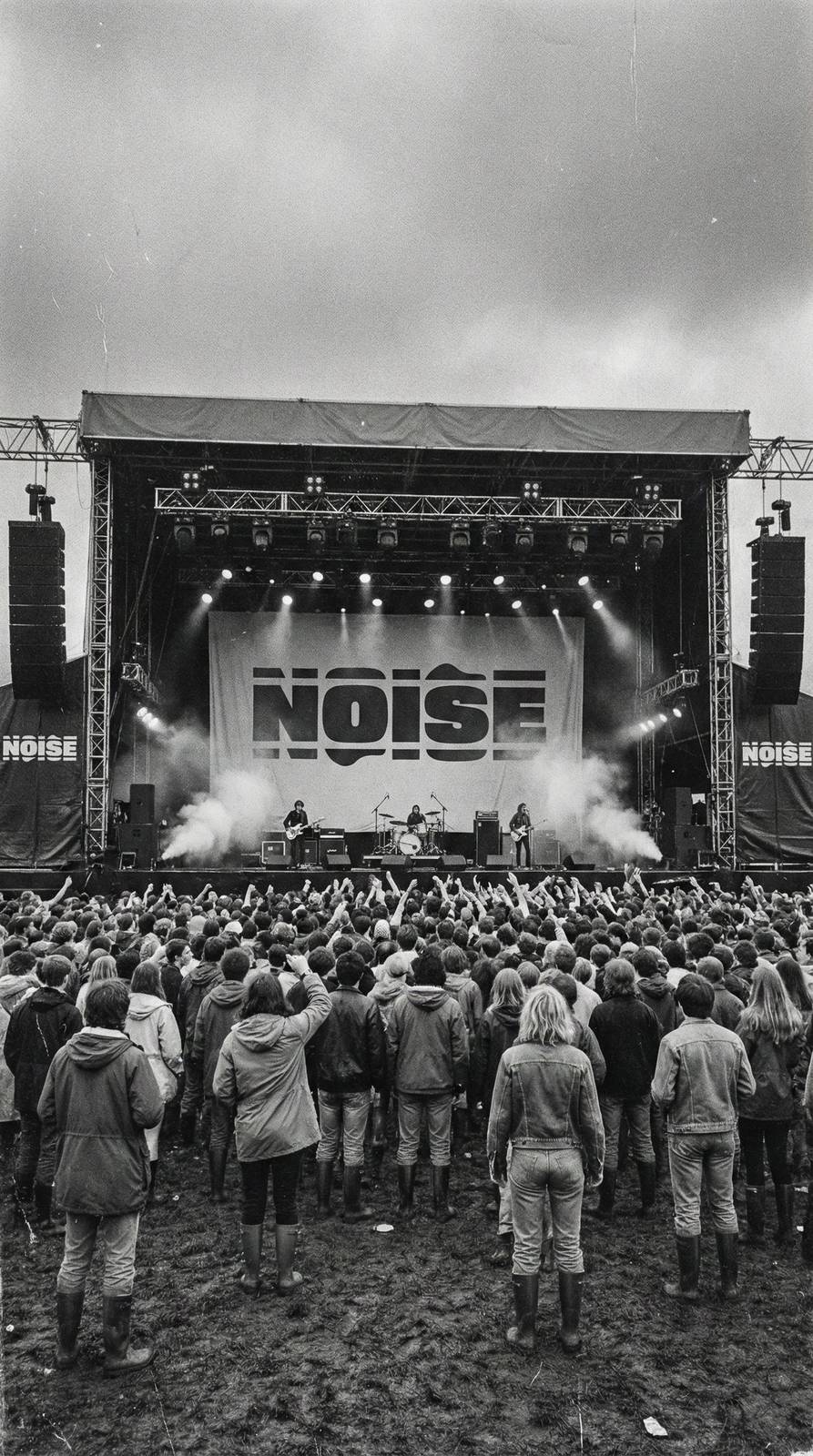
Attend live shows and industry events. Meeting artists and industry professionals in person builds relationships faster than email. Take notes, take photos, and publish timely reviews. Being present in the physical scene gives you material that internet-only publications can't match.
Growing Your Audience
Audience growth for music blogs is slow and steady. Accept that you won't have thousands of readers in your first year. What you will have is a small, engaged audience of people who genuinely care about the music you cover — and that's more valuable than you think.
SEO matters but shouldn't dominate your approach. Write naturally, use descriptive headlines, and structure your content with clear headings. The 'SEO-optimised' music blog that reads like it was written by a keyword-stuffing algorithm will never build a loyal audience.
Social media amplification is essential. Share every article across platforms, tag featured artists (who'll often reshare), and engage with the music communities where your readers hang out.
Consistency is the single most important growth factor. A blog that publishes weekly without fail will outperform one that publishes brilliant pieces sporadically. Set a realistic publishing schedule and stick to it. Two articles per week is ambitious but achievable; once per week is sustainable for most solo bloggers.
And remember why you started: because you love music and want to share it. The blogs that endure are the ones written with genuine passion, not the ones optimised for traffic. Write what you love, and the audience will find you.