




BBC Introducing has launched hundreds of careers. Here's exactly how to submit, what they're looking for, and how to maximise your chances of airplay.
TL;DR
Upload your best track to BBC Music Introducing (bbc.co.uk/introducing), select your local region, and ensure your profile is complete. Submit well-produced original music, not covers. Regional shows are your entry point — get played locally and you can be escalated to national BBC radio including Radio 1.
What BBC Introducing Is and Why It Matters
BBC Introducing is the BBC's platform for unsigned, undiscovered, and under-the-radar music. Every BBC local radio station has an Introducing show, and the best tracks from these regional shows get 'upstreamed' to national BBC stations including Radio 1, 1Xtra, Radio 2, 6 Music, and Asian Network.
The significance of BBC Introducing for UK artists cannot be overstated. It's launched the careers of artists from Florence + The Machine to Catfish and the Bottlemen to Little Simz. An Introducing play on your local station creates a documented BBC radio history that opens doors with labels, booking agents, and festival programmers.
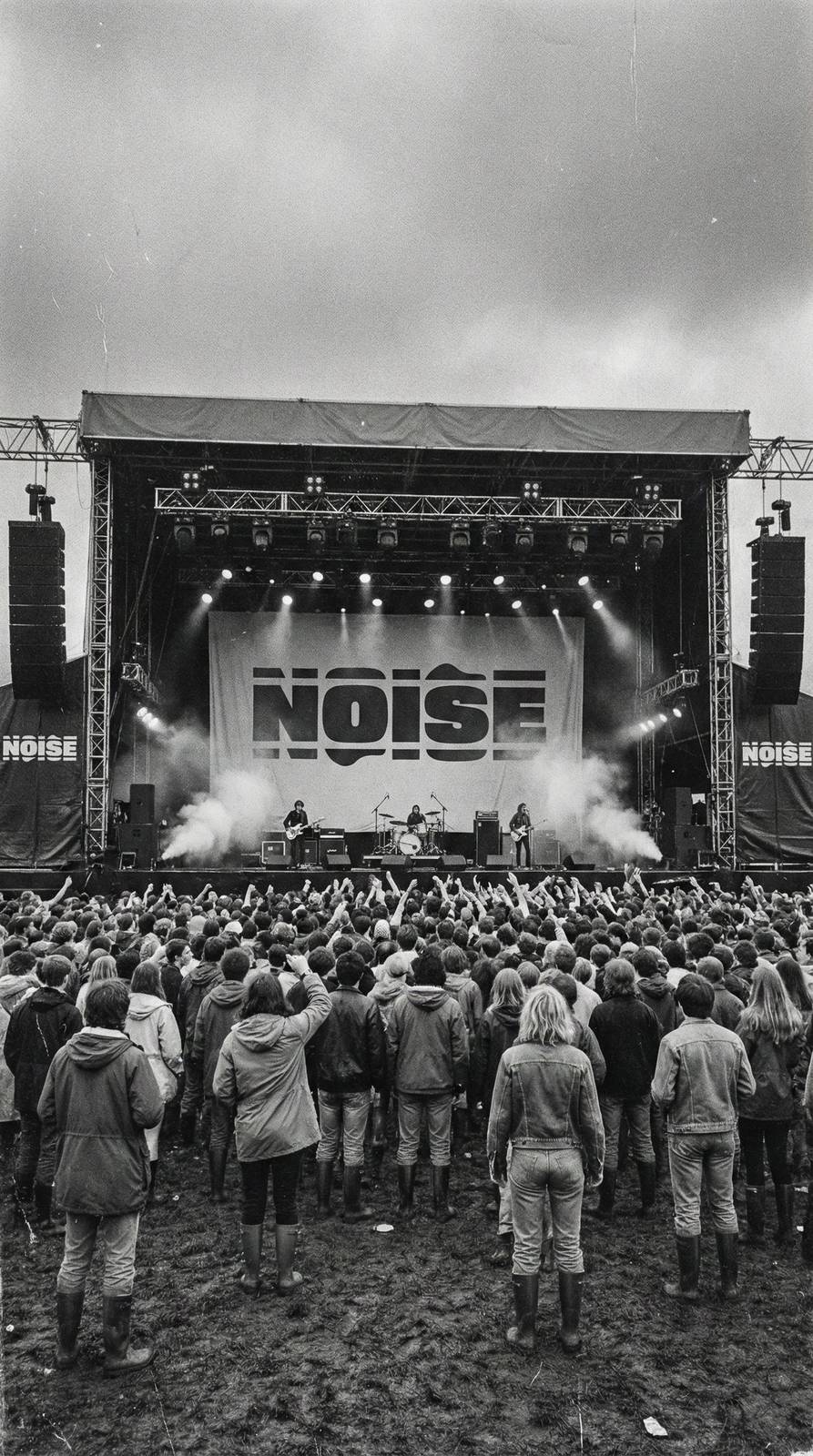
Beyond radio play, BBC Introducing provides live performance opportunities at major festivals including Glastonbury, Reading, Leeds, and BBC Radio 1's Big Weekend. The Introducing stages at these festivals are dedicated to showcasing emerging talent discovered through the platform.
How to Submit: Step by Step
Go to bbc.co.uk/introducing and create an account. Upload your track (original music only — no covers), select your local BBC region (this determines which local show hears your submission first), and complete your artist profile with a bio, photo, and social links.
Submit your absolute best track — your most polished, most distinctive, most attention-grabbing recording. The local presenters and producers listen to hundreds of submissions weekly, so your track needs to stand out immediately. A strong opening, professional production, and genuine artistic identity are essential.
You can submit new tracks regularly, but quality over quantity always applies. Submitting your best single is better than submitting five average tracks. Each submission is listened to by a real person at your local BBC station, and repeated submissions of low-quality material can hurt your chances with future, better releases.
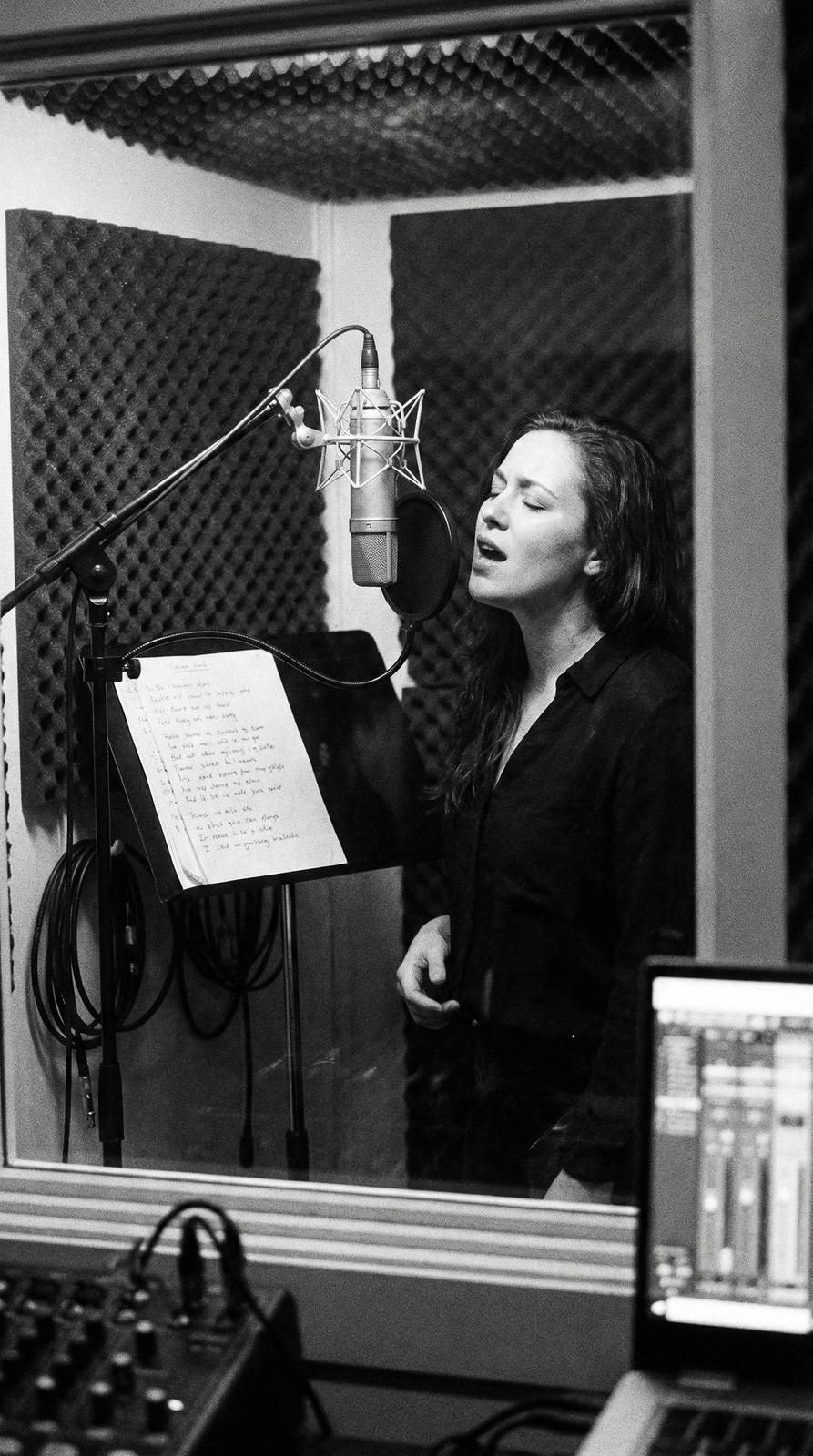
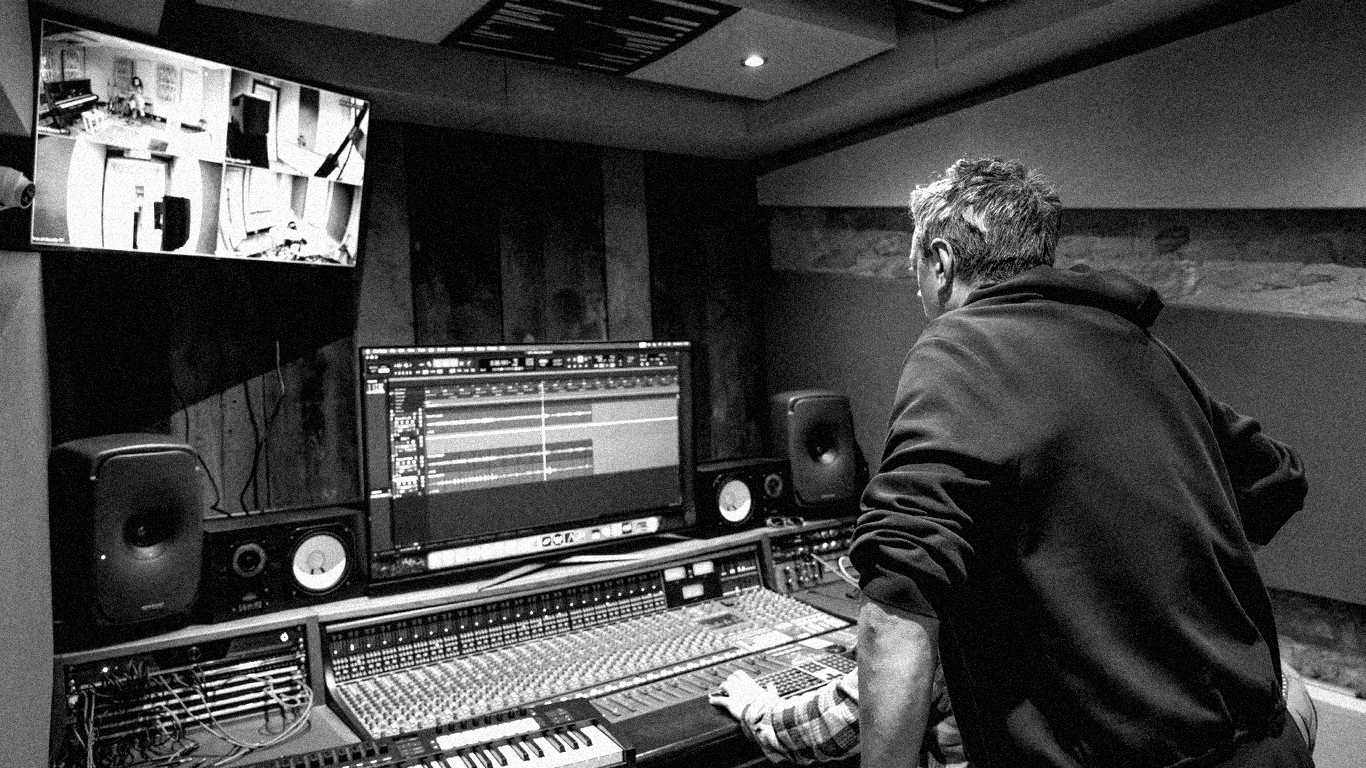
Ensure your production is radio-ready. This means properly mixed and mastered, with no clipping, no excessive bass that distorts on radio speakers, and vocals that are clear and audible. You don't need a major label budget, but you do need professional sound quality.
Maximising Your Chances of Airplay
The most important factor is the music itself — it needs to be genuinely good and distinctive. But presentation matters too. A complete artist profile with professional photos, a compelling bio, and active social media links tells the presenter that you're a serious, committed artist worth investing airplay in.
Having a local connection strengthens your submission. BBC Introducing is structured around regional discovery, so being based in the area you submit to (and mentioning your connection to the local music scene) matters. If you're from Manchester, submit to BBC Introducing in Manchester and reference your local gigs and community.
Timing can help. Submit new music rather than old catalogue — presenters are looking for what's fresh and current. If you have an upcoming release, submit the single 2-3 weeks before release for maximum impact. A track that's been on Spotify for six months is less exciting than an exclusive pre-release.
Engage with your local BBC Introducing show. Listen to it, share episodes, interact on social media, and attend any live events they host. Presenters are genuine music fans who love engaging with their local scene, and being a visible, active part of that scene works in your favour.
What Happens After You Get Played
If your track gets played on local BBC Introducing, several things can happen. First, the presenter may invite you for a live session or interview — always say yes. These sessions are recorded professionally and create content you can use across your press and social media.
Your track enters the BBC Introducing pool for potential 'upstreaming' to national stations. This means producers at Radio 1, 6 Music, and other national stations browse the Introducing submissions for tracks to feature. An enthusiastic recommendation from your local presenter significantly increases the chances of national pickup.
Festival opportunities follow radio play. BBC Introducing stages at major festivals programme acts who've been played on the platform, and being in the Introducing ecosystem puts you on the radar of festival bookers across the UK.
Document and leverage every BBC play. Add 'As played on BBC Introducing' to your press materials, bio, and social profiles. Mention it in playlist pitches and press outreach. BBC airplay is credibility currency that opens doors throughout the UK music industry.
Common Mistakes That Get Submissions Rejected
Submitting covers or music with uncleared samples. BBC Introducing is for original music only — the BBC can't broadcast music with potential copyright issues, regardless of how good it sounds.
Poor audio quality. A great song with a terrible recording won't get played. Invest in proper mixing and mastering before submitting. The competition is fierce, and a demo-quality recording competing against properly produced tracks will lose every time.
Incomplete profiles. A submission with no artist photo, no bio, and no social links signals a lack of commitment. Complete every field in your profile — it takes ten minutes and significantly improves your chances.
Impatient follow-ups. The BBC receives thousands of submissions and presenters listen to as many as they can. Sending repeated 'did you listen to my track?' emails is counterproductive. Submit, be patient, and focus on making your next track even better. If you're consistently making great music and submitting it, you will eventually be heard.