



Sync placements can earn more than a million streams. Here's how UK independent artists can get their music into film, TV, adverts, and games.
TL;DR
Independent artists have a genuine sync advantage: they can clear rights fast and own both master and publishing. Get your music registered with sync libraries, make sure your metadata is clean, create instrumental versions, and build relationships with sync agents. One placement can change everything.
Why Sync Is the Most Underrated Income Stream
A single sync placement in a UK TV advert can pay anywhere from £5,000 to £50,000+ depending on the brand, duration, and territory. A placement in a major feature film can pay six figures. Even smaller placements — indie films, podcasts, YouTube content — generate meaningful income that dwarfs equivalent streaming revenue.
Beyond the upfront fee, sync generates ongoing royalties. Every time that advert airs, that TV episode repeats, or that film streams on a platform, PRS performance royalties are triggered. A placement in a successful TV series can generate royalty income for years as it gets repeated and syndicated internationally.
The sync market has also expanded massively. The explosion of content creation — Netflix, Amazon, Apple TV+, YouTube, TikTok, podcasts, video games — means demand for music has never been higher. Music supervisors need tracks across every genre, mood, and energy level, and they increasingly look beyond major label catalogues to find fresh, distinctive music.
Making Your Music Sync-Ready
First, the legal basics: to licence your music for sync, you need to control (or have authorisation over) both the master recording and the publishing rights. If you wrote and recorded the song yourself on independent release, you control both. If a label owns your masters or you co-wrote with someone, you'll need their sign-off for sync clearance.
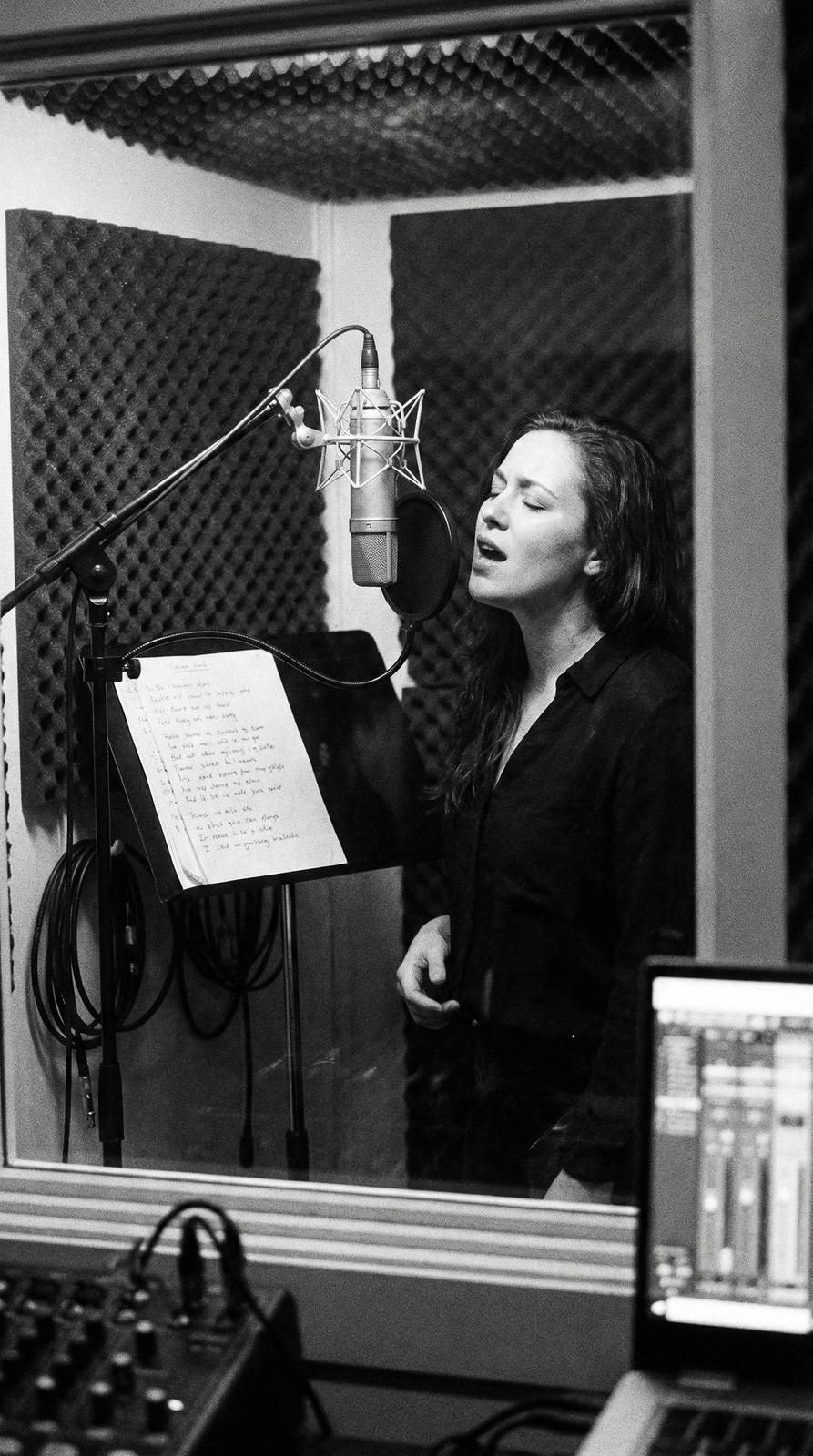
Create instrumental versions of every track. Music supervisors frequently need instrumentals for scenes with dialogue, and having one ready immediately gives you an advantage over artists who'd need to go back into the studio. Stem mixes (separate files for drums, bass, vocals, etc.) are even better — they give supervisors maximum flexibility.
Your metadata must be immaculate. Track title, artist name, songwriter credits, ISRC code, BPM, key, genre tags, and mood descriptors all need to be accurate and consistent across all platforms. Music supervisors use searchable databases to find music, and incomplete metadata means your track won't show up in searches.
Sync Libraries and Agents: Your Route to Supervisors
Sync libraries and agents are the primary bridge between your music and the people who place music in media. In the UK, companies like Sentric Sync, Native Tongue, Musicbed, and Artlist represent independent artists' music to sync supervisors.
Non-exclusive libraries let you register your music with multiple services simultaneously — recommended for independent artists who want to maximise exposure. Exclusive libraries take your music off the market for other sync opportunities in exchange for more active pitching. Evaluate what each library offers in terms of active pitching vs. passive catalogue listing.
Sync agents are individuals or small teams who actively pitch specific tracks to music supervisors for particular briefs. They take a higher commission (typically 25-50%) but provide targeted, relationship-based pitching that catalogue listings can't match. For artists whose music has strong sync potential, a good agent is invaluable.
Direct submission to music supervisors is possible but harder to navigate. The Guild of Music Supervisors has a directory, and following supervisors on social media can surface opportunities. Some supervisors accept direct submissions; many prefer to work through trusted agents and libraries.
What Music Supervisors Actually Want
We spoke to three UK-based music supervisors and the consistent feedback was illuminating. They want emotional specificity — music that makes you feel something distinct and identifiable. Generic 'happy' or 'sad' tracks are abundant; music that captures a specific shade of emotion is rare and valuable.
Lyrical content matters enormously. Lyrics that are too specific or reference real people, brands, or current events limit sync potential because they distract from the visual content. Conversely, lyrics with universal themes — love, loss, hope, freedom — can enhance a scene without competing with it. This doesn't mean your lyrics need to be generic; it means they should be emotionally resonant without being narratively restrictive.
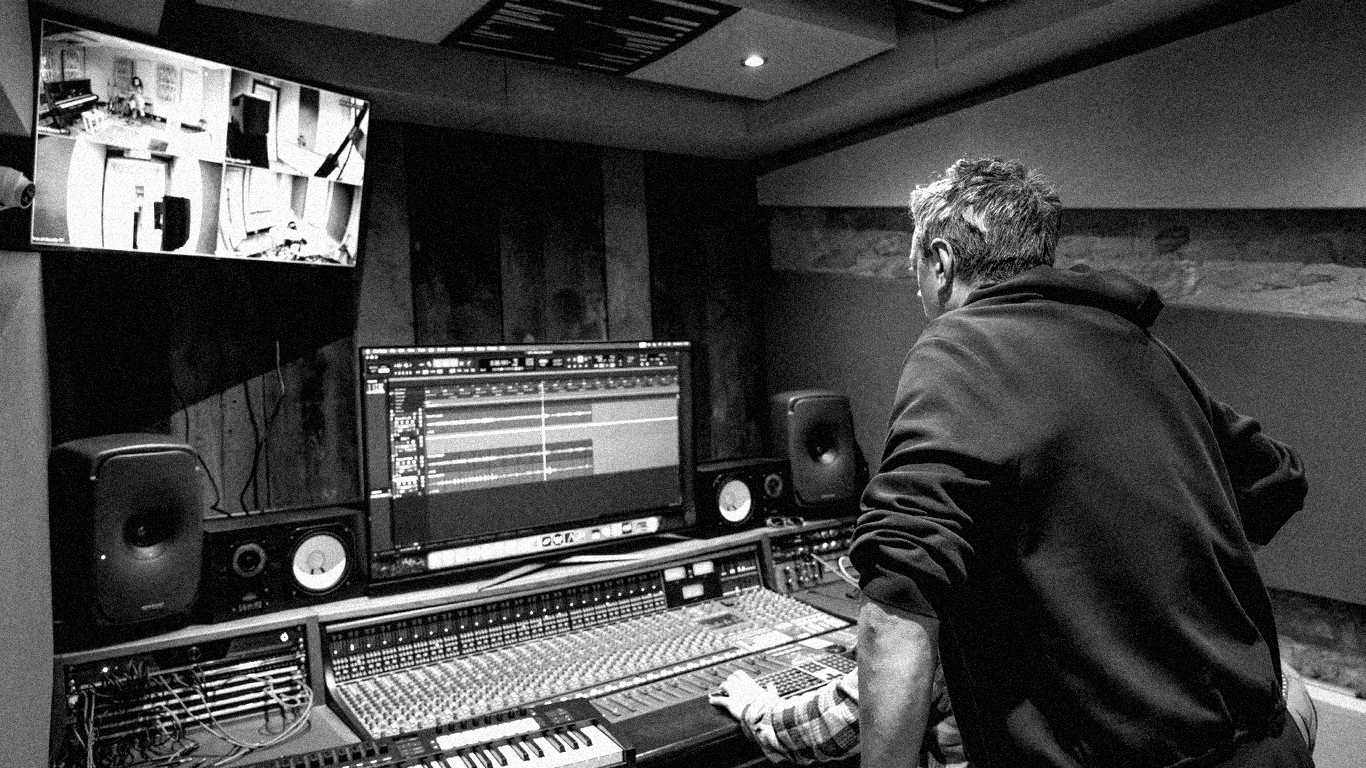
Production quality must be professional but doesn't need to be expensive. Clean recordings, balanced mixes, and competent mastering are non-negotiable. But over-produced, heavily processed tracks can actually be harder to place than stripped-back, intimate recordings. Authenticity and character often matter more than polish.
Building a Sustainable Sync Strategy
Treat sync as a long game. Your first placement might take months or years of submitting and building relationships. But once you have a track record, supervisors remember you and return for future projects. Consistency and professionalism — delivering what's asked for, on time, with clean metadata — builds the reputation that generates repeat business.
Create music with sync in mind alongside your artist releases. This doesn't mean compromising your artistry — it means being aware that certain tracks in your catalogue have sync potential and presenting them accordingly. Upbeat, lyrically universal tracks are easier to place. Emotional, cinematic instrumentals are in high demand.
Keep your sync masters accessible. When a supervisor wants your track, they want it now. Having master files, instrumentals, and stems organised and ready to share within hours — not days — can be the difference between getting the placement and losing it to someone faster.
And register everything with PRS and MCPS before submitting to sync libraries. Unpaid performance royalties from sync placements are one of the most common sources of lost income for independent artists. The sync fee is just the beginning — the ongoing royalties can exceed the upfront payment over time.