


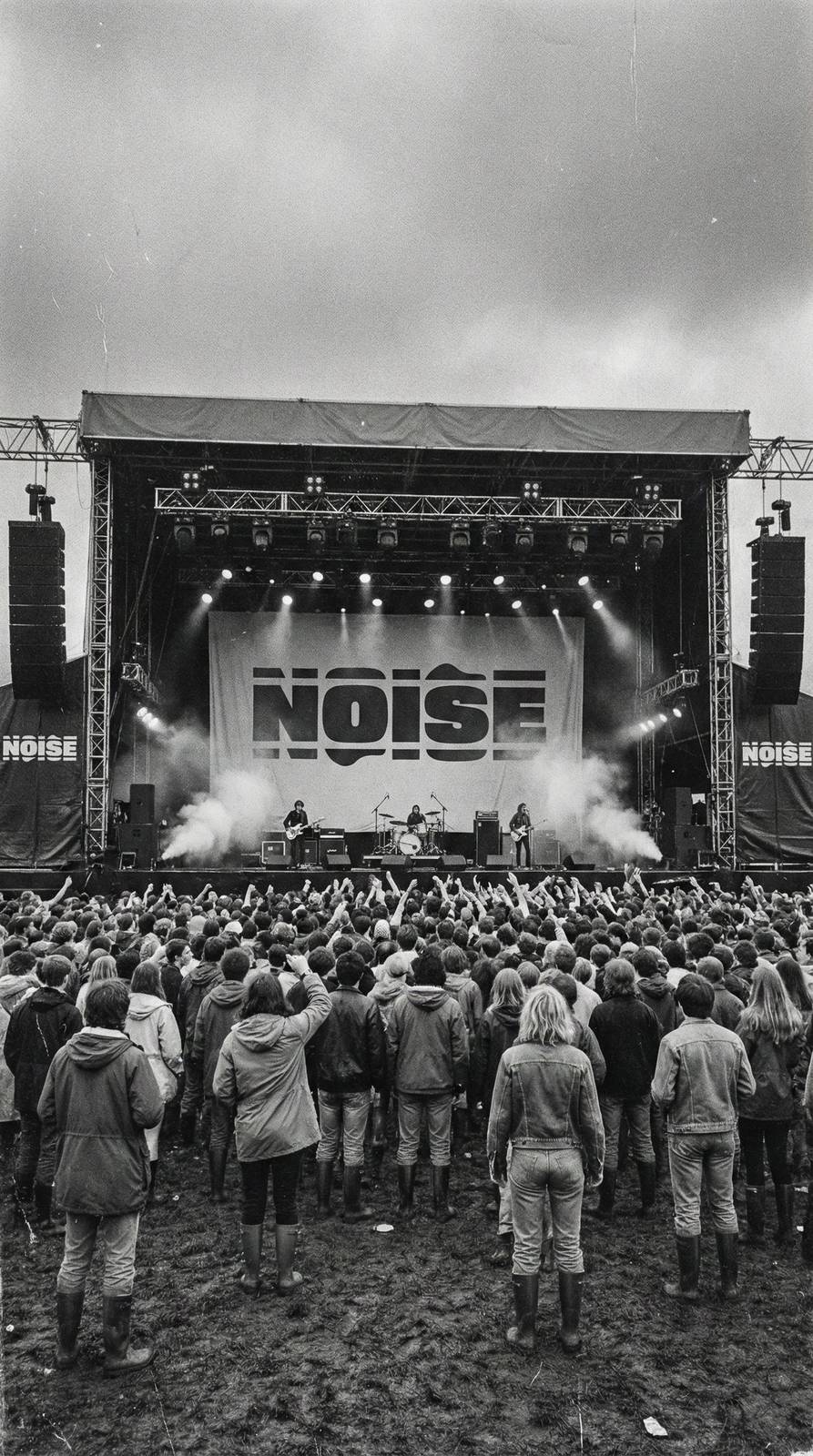




Starting an independent label has never been easier. Running one sustainably has never been harder. Here's the honest guide to making it work.
TL;DR
Independent labels can thrive in 2025 but need to operate as businesses, not hobbies. Focus on fair artist deals, multiple revenue streams, lean operations, and community building. The labels that survive are the ones that genuinely serve their artists.
Why Start an Independent Label in 2025?
The barriers to releasing music have collapsed. Any artist can upload to Spotify through a distributor for a few quid. So why would anyone start a label?
Because curation still matters. In a world of infinite content, a trusted label name acts as a quality filter. When a listener sees a release on a label they trust, it shortcuts the discovery process. Ninja Tune, Brainfeeder, XL, Dirty Hit — these names carry weight because they've earned trust through consistent quality.
An independent label also offers artists something a distributor doesn't: a team. Marketing support, playlist pitching, sync representation, press campaigns, tour support. Even a tiny label with three people can do things for an artist that they'd struggle to do alone.
And honestly? If you're someone who loves discovering music and helping artists succeed, running a label can be deeply fulfilling. Just go in with your eyes open about what it actually involves.
The Business Foundation: Deals, Distribution, and Money
The most important decision you'll make as a label is what deal you offer your artists. The industry standard for independent labels is typically a 50/50 or 60/40 revenue split in the artist's favour, with the label recouping marketing and production costs before splits kick in.
Do not — and we cannot stress this enough — do not offer deals that take ownership of master recordings in perpetuity. That model is dying for good reason. Licence deals (where you licence the music for a set period, say 3-7 years, after which rights revert to the artist) are fairer and increasingly the standard.
For distribution, services like AWAL, Believe/TuneCore for Labels, and DistroKid for Labels offer label-specific tiers. AWAL is particularly interesting because they offer label services without taking ownership — essentially acting as a super-charged distributor with marketing muscle.
Set up as a proper business from day one. Register as a limited company, open a business bank account, use proper accounting software. Running a label through a personal bank account is a recipe for chaos when royalty payments, expenses, and tax obligations start piling up.
Building a Catalogue and Community
The most successful independent labels build around a sonic identity. You don't need to be genre-specific, but there should be a thread — a taste level, an aesthetic sensibility — that connects your releases. This makes your label discoverable and gives fans a reason to follow the imprint rather than just individual artists.
Release consistently. A label that puts out one record every six months will struggle to build momentum. Aim for at least monthly releases, even if some are singles rather than full projects. Each release is a marketing event, a touchpoint with your audience, and a data point for the algorithms.
Community building is your competitive advantage over major labels. They can outspend you on marketing; they can't out-care you. Build genuine relationships with your artists, your listeners, and your network. Host events, create content, engage on social media, respond to messages. The labels that survive long-term are the ones people feel connected to.
Revenue Streams Beyond Streaming
If your label's only revenue comes from streaming royalties, you're going to struggle. Diversification is essential.
Vinyl and physical releases remain profitable for independent labels, especially limited editions. The vinyl market has grown every year since 2006, and releases from curated independent labels command premium prices. A 300-press limited vinyl run can gross £4,000-6,000 if priced and marketed correctly.
Sync licensing is increasingly important. Register your catalogue with sync libraries and actively pitch to music supervisors. A single sync placement can generate more revenue than months of streaming.
Merch — both label-branded and artist-specific — is another revenue stream. Label-branded clothing, accessories, and lifestyle products work particularly well when your label has a strong visual identity.
Events are a double-edged sword. Label nights can build community and generate revenue, but they can also lose money if poorly managed. Start small, partner with established promoters, and don't overextend.