


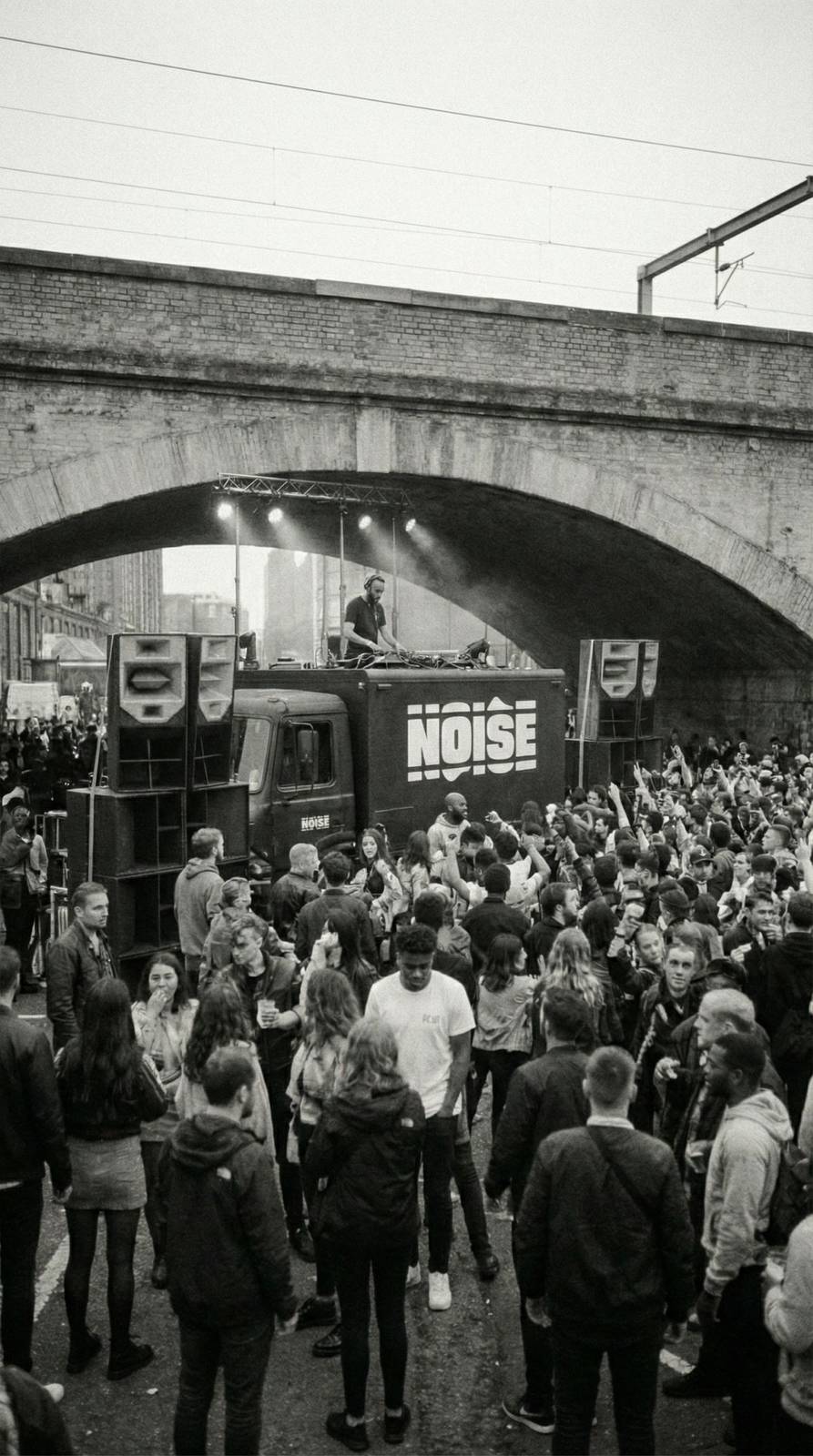
Manchester's musical legacy looms large. But what's happening in the city right now is more interesting than nostalgia. We dive into the current scene.
TL;DR
Manchester's music scene in 2025 extends far beyond indie rock nostalgia. The city's electronic, hip-hop, alternative, and experimental scenes are thriving, driven by venues like YES, White Hotel, and Band on the Wall, plus a support infrastructure that nurtures emerging talent.
Escaping the Shadow of the Past
Manchester's relationship with its musical past is complicated. The city that produced Joy Division, The Smiths, Oasis, and The Stone Roses has a cultural heritage that's simultaneously a gift and a burden. A gift because it established Manchester as a music city in the global consciousness. A burden because it creates expectations about what Manchester music should sound like.
The most exciting artists in Manchester in 2025 sound nothing like their predecessors. They're making electronic music that draws from Manchester's rave heritage but pushes it into uncharted territory. They're writing hip-hop that reflects the city's multicultural reality. They're creating experimental and ambient work that owes more to Aphex Twin than Noel Gallagher.
This isn't disrespect to the past — it's evidence that Manchester's creative DNA is strong enough to produce new forms rather than endlessly recycling old ones.
The Venue Ecosystem
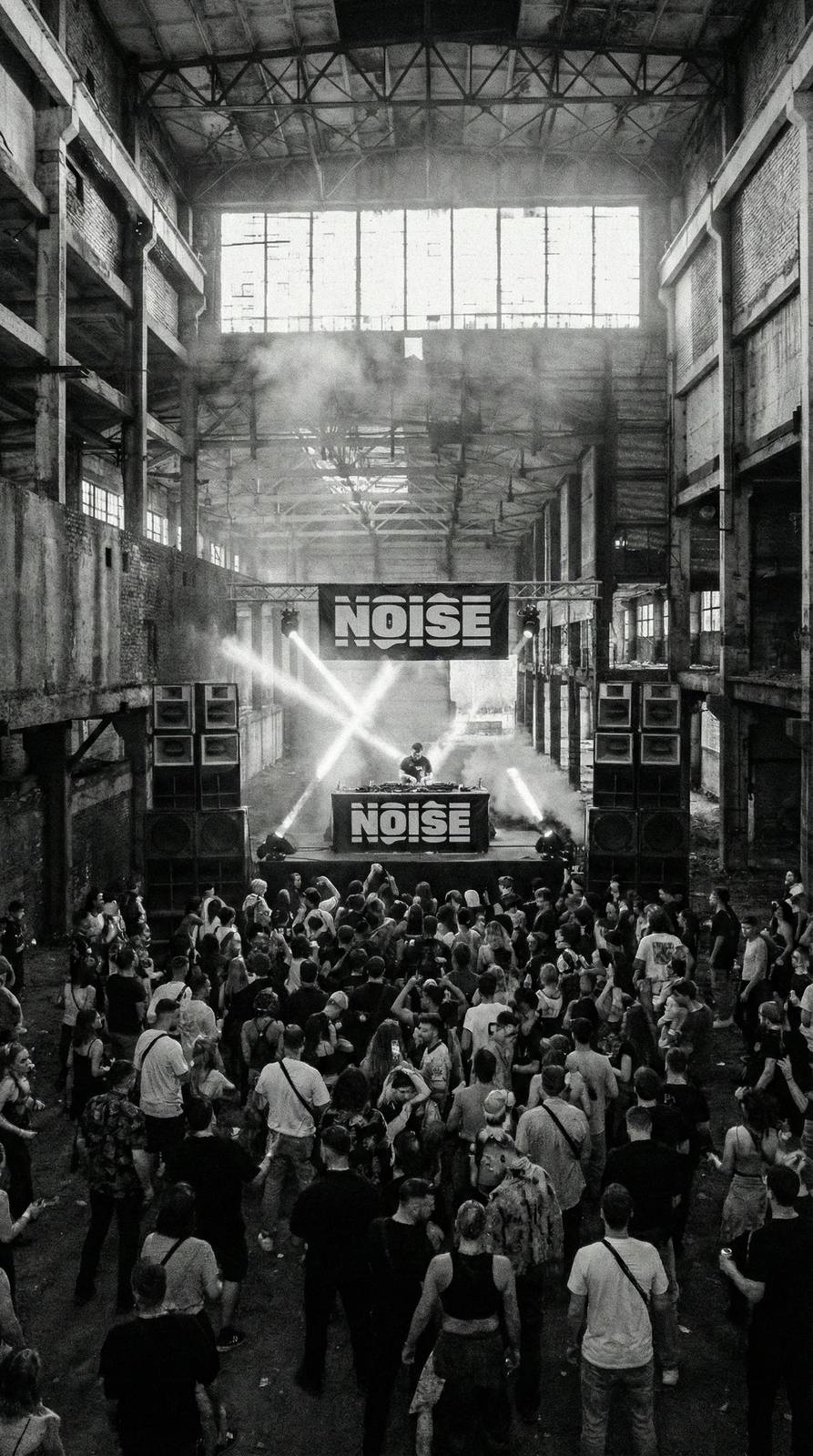
Manchester's venue ecosystem is one of the strongest in the UK, despite the nationwide pressures on grassroots spaces. The White Hotel, a warehouse venue in Salford, has become one of the most important spaces for underground electronic music in Europe — hosting DJs and live acts that push the boundaries of what club music can be.
YES, the multi-floor venue on Charles Street, operates as an informal HQ for Manchester's independent music community. With spaces ranging from an intimate basement to a rooftop terrace, it hosts everything from DJ nights to album launches to industry events.
Band on the Wall, one of the longest-running music venues in the UK, continues to champion world music, jazz, and experimental programming. Night & Day Cafe remains a beloved grassroots venue despite constant threats from development pressure.
The larger venues — Albert Hall, Gorilla, the O2 Ritz — provide stepping stones for artists graduating from grassroots rooms. And Manchester Arena, for all its corporate enormity, brings world-class touring acts to the city.
The Scenes Within the Scene
Manchester's music isn't one scene — it's dozens of overlapping scenes that occasionally intersect.
The electronic scene spans everything from the warehouse techno of the White Hotel circuit to the more experimental approach of events at Islington Mill and Soup Kitchen. Manchester's electronic producers are some of the most innovative in the UK, drawing from the city's deep rave history while incorporating influences from across the globe.
The hip-hop and rap scene has grown enormously, with artists who reflect Manchester's diversity rather than conforming to London-centric expectations of what UK rap should sound like. Manchester rap has its own flavour — influenced by the city's pace, accent, humour, and multicultural identity.
The indie and alternative scene still exists but has evolved beyond guitar bands. Manchester's indie in 2025 encompasses shoegaze, post-punk, art rock, and genre-defying projects that use the 'indie' label as a statement of independence rather than a genre descriptor.
And the jazz and improvised music scene, centred around venues like Matt & Phred's and events at Band on the Wall, is producing some of the most adventurous music in the UK.
What Manchester Gets Right
Manchester's music scene thrives because of infrastructure, not just talent. The city has invested in the structures that support emerging artists in ways that many other cities haven't.
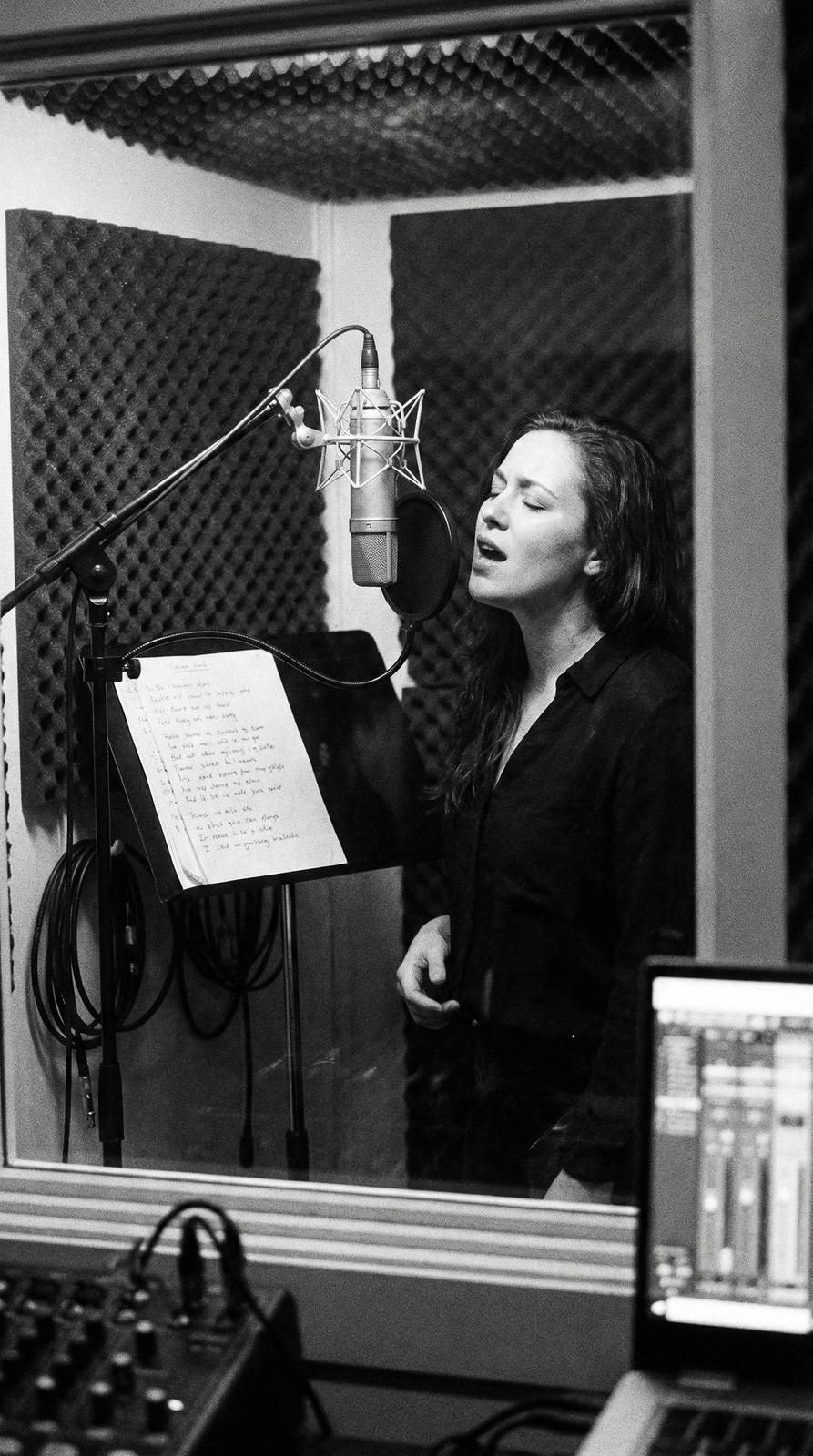
Rehearsal spaces remain relatively affordable compared to London. Recording studios offer competitive rates. Music education — from the RNCM to community music projects — develops the next generation. And crucially, the city's music community is collaborative rather than purely competitive.
The music industry presence in Manchester has also grown. Management companies, PR agencies, and independent labels based in the city mean artists don't need to move to London for professional support. This keeps talent in Manchester, strengthening the local scene rather than draining it.
For emerging artists considering where to base themselves, Manchester offers a compelling proposition: lower living costs than London, a thriving venue scene, a supportive community, and a musical heritage that opens doors globally. The city isn't living on past glories — it's building new ones.