TikTok's algorithm has made and broken music careers overnight. Here's how it actually works, what content performs, and how to use it without losing your soul.
TL;DR
TikTok's algorithm prioritises watch time and completion rate over follower count. For musicians, authentic content showing your creative process outperforms polished promotional posts. Use trending sounds strategically, but your original music should be the primary focus.
How TikTok's Algorithm Actually Decides What Goes Viral
TikTok's For You Page algorithm evaluates content based on several signals: completion rate (did viewers watch to the end?), engagement rate (likes, comments, shares, saves), and re-watch rate (did viewers loop the video?). Crucially, follower count matters very little — a video from a brand-new account can reach millions if the content performs.
The algorithm tests your video on progressively larger audiences. First it's shown to a small group (maybe 200-500 people). If that group engages well, it's pushed to a larger group, then larger again. Each level is a test: if engagement drops below threshold, distribution stops. This is why the first 3 seconds of your video are critical — they determine whether viewers stay or scroll.
For musicians specifically, the algorithm also tracks sound usage. When viewers use your sound in their own videos, it signals the algorithm that the sound is engaging, triggering wider distribution of both the original video and the sound page. This cascade effect is how songs go viral on TikTok.
Content That Works for Musicians
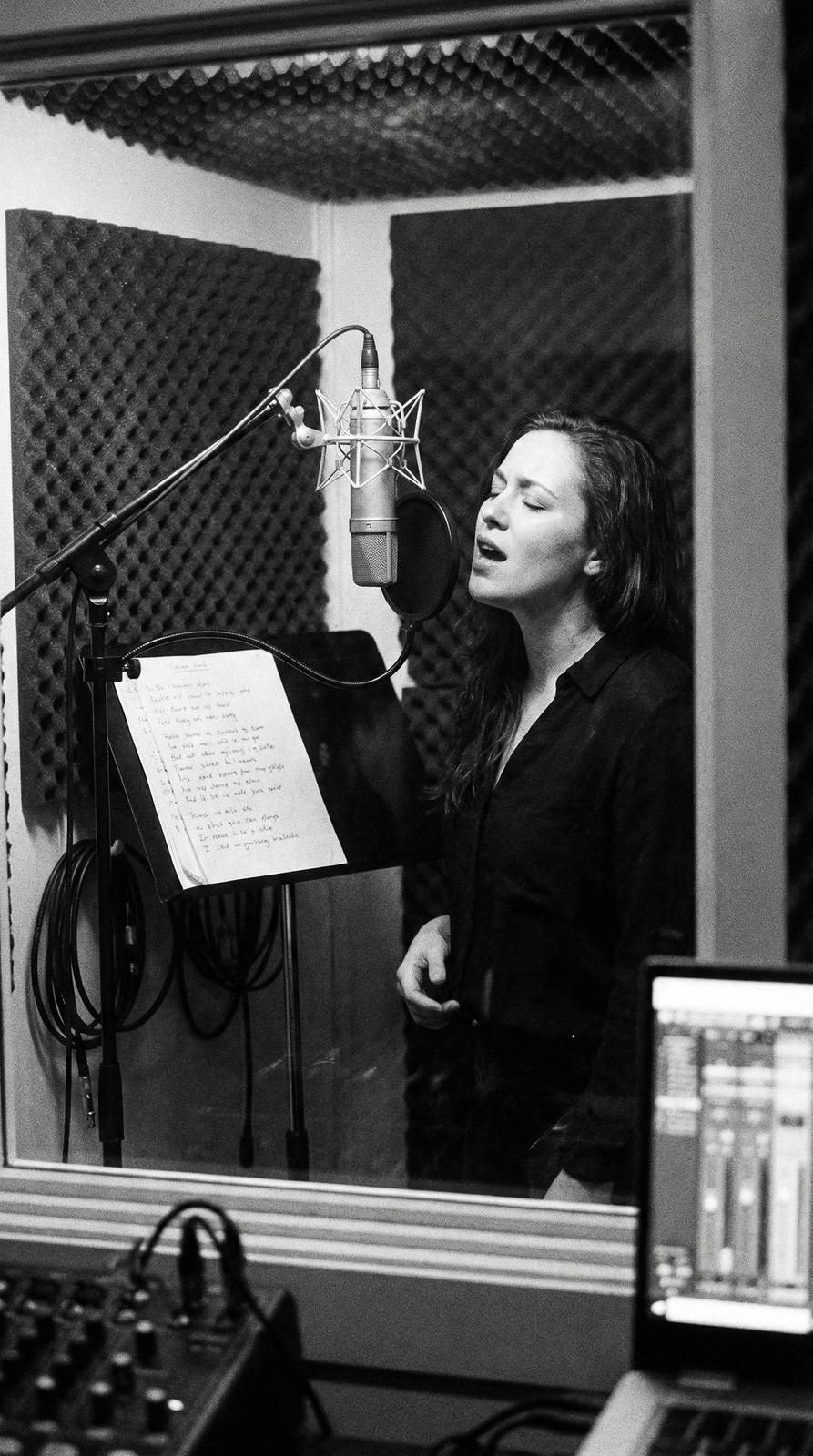
Behind-the-scenes creation content consistently performs well. Showing a snippet of you writing a song, building a beat, or recording vocals creates intrigue and authenticity. The key is brevity — 15-30 seconds showing a compelling moment in your creative process, with a hook in the first second.
Duets and stitches with other creators extend your reach to their audiences. Duetting another musician's content with your own musical contribution creates collaboration content that both audiences engage with. The TikTok music community is genuinely supportive, and collaborative content gets shared widely.
Raw, unpolished content almost always outperforms polished content on TikTok. A phone recording of you singing in your bedroom has more TikTok appeal than a professionally shot music video excerpt. The platform's culture values authenticity over production value, which is actually liberating for artists who can't afford professional video.
Humour and personality go a long way. Musicians who show personality — whether it's self-deprecating humour about the music industry, relatable content about the creative struggle, or just genuine charisma — build followings that stick around between releases.
Using TikTok Without Losing Your Artistic Identity
The biggest risk for musicians on TikTok is chasing trends at the expense of their artistic identity. Creating content purely to game the algorithm — jumping on every dance trend, using trending sounds that don't relate to your music, optimising for virality over authenticity — builds an audience that doesn't actually care about your music.
The sustainable approach: make TikTok content that's an extension of who you are as an artist. If you're a moody indie songwriter, your TikTok should feel moody and indie. If you're an energetic grime MC, bring that energy. Consistency between your TikTok presence and your actual music ensures that followers who discover you on TikTok convert to genuine music listeners.
Set boundaries for your time and mental health. TikTok's infinite scroll and engagement metrics can be addictive and anxiety-inducing. Batch-create content (film 5-10 videos in one session), schedule posts, and then step away. Your primary creative energy should go into your music, not your content calendar.
Converting TikTok Followers Into Music Fans
TikTok followers and Spotify listeners are different metrics that don't automatically correlate. The bridge between them requires intentional effort. Always include calls to action directing TikTok viewers to your music — 'full track on Spotify, link in bio' — and make sure your bio link is set up with a link aggregator (Linktree, etc.) that provides direct paths to your streaming profiles.
Use TikTok to tease new releases effectively. A 15-second snippet of an unreleased track, posted multiple times in different content formats, builds anticipation that converts to streams on release day. The key is making the snippet compelling enough that viewers actively seek out the full track.
Build an email list. TikTok's algorithm can change overnight, and the audience you've built on the platform could become unreachable if the algorithm shifts. An email list is owned audience — people who've given you direct contact details and can't be algorithmically hidden from you. Use your TikTok bio to drive email signups alongside streaming links.
TikTok's Impact on Music: The Bigger Conversation
TikTok has undeniably democratised music discovery, but it's also created problematic pressures. The demand for 'TikTok moments' — catchy hooks designed specifically for 15-second clips — is influencing how songs are written and structured. Some argue this is creatively limiting; others see it as a natural evolution of pop music's emphasis on hooks.
The platform's tendency to propel individual tracks rather than artists means many 'TikTok hits' don't translate into sustainable careers. An artist can have a viral moment and then struggle to convert that attention into lasting listenership. The artists who succeed long-term on TikTok are those who build personality-driven followings, not one-hit virality.
Our take at Noise: TikTok is a powerful tool that should serve your career, not define it. Use it strategically, maintain your artistic identity, and never mistake TikTok metrics for musical achievement. The platform will evolve or be replaced; your music and your artistry are what endure.