


The best music comes from great collaboration. Here's how to find the right producer, communicate your vision, and build a creative partnership that elevates both of you.
TL;DR
A great producer-artist relationship is built on clear communication, mutual respect, and shared vision. Define roles and expectations upfront. Share reference tracks to communicate sonically. Agree on credits and financial splits before starting. Trust the process and be open to surprise.
Finding the Right Producer for Your Music
The right producer isn't necessarily the most skilled or most famous — it's the one who understands your artistic vision and has the skills to realise it. A pop producer making a folk album, however talented, will likely impose sonic choices that don't serve the music. Genre alignment and aesthetic sympathy matter.
Listen to a producer's previous work critically. Not just the hits, but the details: how do they handle vocals? What's their approach to space and dynamics? Do their productions have a distinctive character, or do they adapt to each artist? Both approaches are valid, but knowing which you're getting avoids creative mismatches.
Chemistry matters. If possible, meet (in person or video call) before committing to a project. Discuss your influences, your vision for the recording, and your working style. A producer who lights up when you describe your ideas is more valuable than one with a longer credit list who seems indifferent to your specific vision.
Budget alignment is important too. Be upfront about your budget from the initial conversation. A good producer will tell you honestly whether your budget is realistic for what you're asking, and may suggest alternative approaches (fewer studio days, remote mixing, home recording with studio polish) that achieve your goals within your means.
Communicating Your Vision Without Musical Jargon
Most artists aren't trained musicians, and you don't need to be to communicate effectively with a producer. The most useful communication tool is reference tracks — existing songs that represent elements of what you want. 'I want the drums to feel like this track' is more useful than trying to describe a drum sound in technical terms.
Emotional language is perfectly valid in the studio. 'This section should feel like driving at night' or 'The chorus needs to feel like falling' communicates mood and intention that a good producer can translate into sonic decisions. Don't be embarrassed by non-technical descriptions — they often communicate more effectively than technical ones.
Be specific about what you like and don't like. 'I don't like auto-tune' is more useful than letting a producer apply it and then asking to remove it. 'I want the vocal to be completely dry' or 'I want heavy reverb on everything' are clear creative directions that save time and prevent frustration.
But also be open to ideas you didn't expect. The best producer-artist collaborations produce results that neither party could have achieved alone. If your producer suggests something you hadn't considered, give it a fair listen before rejecting it. The tension between your vision and their expertise is where magic happens.
Business Matters: Agreements Before the First Note
Before entering the studio, agree in writing on: the scope of work (how many songs, what services — recording, mixing, mastering?), the timeline, the fee structure (flat fee, advance plus royalties, or points on sales), who owns the masters, and how production credits will be listed.
Producer points (a percentage of recording royalties) are common in professional productions, typically 2-4% of net receipts. For producers who also co-write (contributing to melody, chords, or lyrics), a songwriting/publishing share may also be appropriate. These financial arrangements should be agreed before creative work begins to prevent disputes later.
Ownership of the master recording should be explicitly addressed. In most independent productions, the artist retains master ownership and the producer receives their agreed fee and/or points. But some producers (particularly those who also act as A&R or label figures) may want a share of master ownership. Understand what you're agreeing to before you sign.
Get it in writing. Even a simple email exchange confirming the terms is better than nothing. A production agreement template can be found online or obtained from a music solicitor for a modest fee. The small investment in clarity upfront prevents potentially career-damaging disputes down the line.
During the Session: Maximising Creative Output
Come prepared. Demos, reference tracks, lyric sheets, and a clear sense of the songs' emotional intentions should be ready before day one. Studio time is expensive (even if it's your own time in a home studio), and arriving unprepared wastes it.
Trust the process. Professional producers have workflows developed over years of experience. If your producer wants to spend an hour getting the drum sound right before recording anything else, trust that this investment pays off in the final product. Rushing the foundational elements to 'get to the good bit' usually results in a weaker end product.
Take breaks. Creative energy depletes, ears fatigue, and perspective narrows during long sessions. Step outside every 90 minutes, reset your ears, and return with fresh perspective. Some of the best production decisions happen after a break, when you hear the work with slightly refreshed ears.
Capture everything. Record rough mixes at the end of each session. Take notes on what was achieved and what needs attention next time. These documents help maintain momentum between sessions and ensure ideas don't get lost.
Building a Long-Term Creative Partnership
The best producer-artist relationships are long-term partnerships that develop over multiple projects. As you work together, the producer learns your voice, your preferences, and your creative patterns. Communication becomes more efficient, trust deepens, and the creative results improve.
Give feedback constructively. 'This isn't working for me' is less useful than 'The vocal feels too far back in the mix — I want it more intimate and upfront.' Specific, constructive feedback helps the producer give you what you want without discouraging creative experimentation.
Celebrate shared successes. When a track comes together beautifully, acknowledge it. When a session produces something neither of you expected, recognise the magic. Creative partnerships thrive on mutual appreciation and shared excitement about the work.
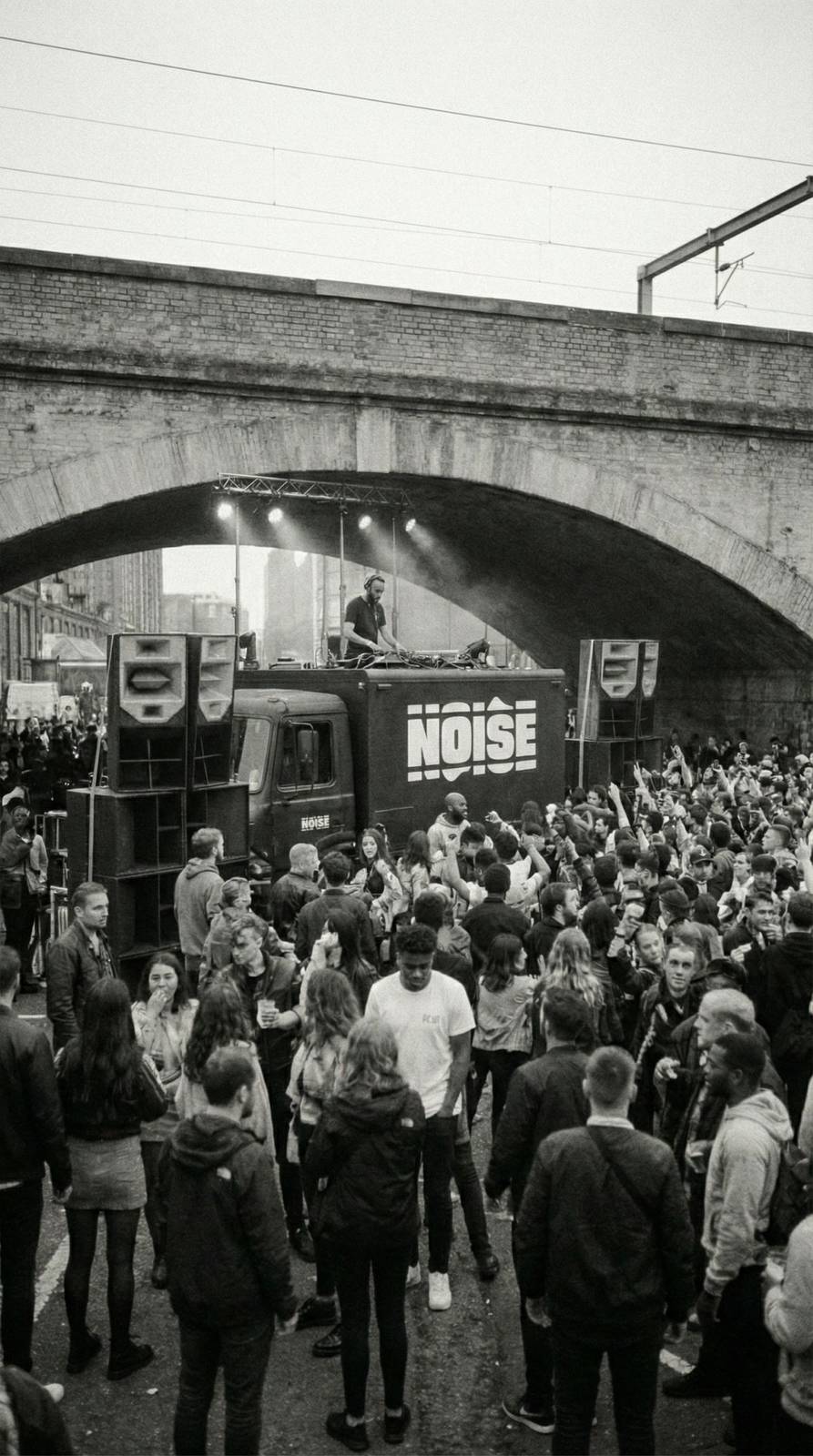
At Noise, we believe great music is almost always collaborative. Even the most solitary bedroom producers collaborate with mixers, masterers, and visual artists. The ability to communicate creatively, negotiate fairly, and build trusting partnerships is as important as any musical skill. It's the invisible craft behind the audible one.