



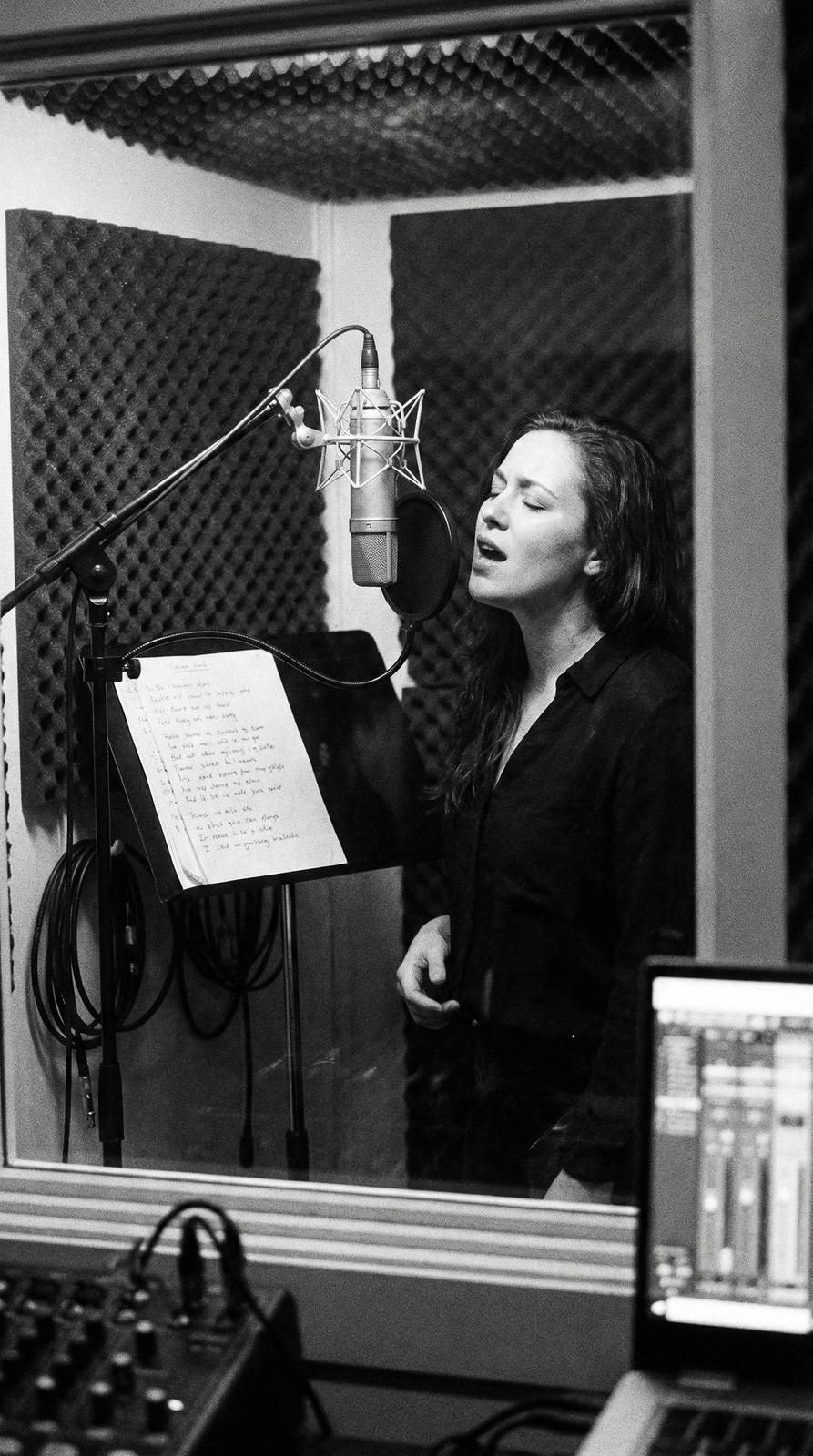



Rode's latest NT1 adds dual connectivity and class-leading self-noise. We tested it against every budget condenser to see if it deserves the hype.
TL;DR
The Rode NT1 5th Gen is the best condenser microphone under £200. Ultra-low self-noise, dual USB/XLR connectivity, and a versatile frequency response make it ideal for bedroom studios. It outperforms the AT2020 and rivals mics costing twice as much.
What Makes the 5th Gen Special
The NT1 has been a studio staple for decades, but the 5th Generation adds a game-changing feature: dual connectivity. It works as a traditional XLR microphone through your audio interface, or as a USB microphone connected directly to your computer. This flexibility means you can start with USB (no interface needed) and move to XLR later without buying a new mic.
The self-noise spec is remarkable: just 4dBA, making it one of the quietest microphones at any price point. In practical terms, this means recordings are incredibly clean, with virtually no audible hiss even at high gain settings. For bedroom studios where ambient noise is already a challenge, a quiet microphone makes a significant difference.
The frequency response has been subtly redesigned from previous generations. There's a gentle presence lift around 5kHz that adds vocal clarity without harshness, and the low-end roll-off is smoother. The overall character is versatile — it works on everything from breathy pop vocals to acoustic guitar to spoken word.
Recording Tests: Vocals, Guitar, and Instruments
On vocals, the NT1 5th Gen sounds open, detailed, and naturally flattering without being coloured. Male vocals have warmth and body; female vocals have clarity and airiness. The presence lift adds articulation that helps vocals sit forward in a mix without needing aggressive EQ.
Acoustic guitar recording was excellent. Positioned about 30cm from the 12th fret, the NT1 captured the full spectrum of the instrument with natural balance between body, midrange, and string detail. The low self-noise was particularly valuable here — quiet fingerpicking passages remained clean and defined.
For spoken word and podcasting (using USB mode), the quality exceeded our expectations. The built-in USB converter is clean and low-latency, producing broadcast-quality audio directly into your DAW or recording software. This makes the NT1 5th Gen genuinely viable as a podcast mic that doubles as a music recording mic.
Compared to the Competition
Against the Audio-Technica AT2020 (£90): the NT1 is noticeably cleaner, more detailed, and more flattering on vocals. The AT2020 has a slight harshness in the upper midrange that the NT1 avoids. For the £90 price difference, the NT1 is worth the upgrade if vocals are your primary recording focus.
Against the AKG P220 (£130): similar price territory but different characters. The P220 is brighter and more present, which suits some voices but can be harsh on others. The NT1 is more versatile across different voice types and sources.
Against the Rode NT1-A (previous generation): the 5th Gen is smoother and less sharp in the high frequencies, with the added USB connectivity. If you already own an NT1-A and are happy with it, upgrading isn't essential. If you're buying new, the 5th Gen is the clear choice.
USB vs XLR: Which Should You Use?
If you already have an audio interface, use XLR. The preamp in your interface (particularly Focusrite Scarletts and Universal Audio Volt) will give you marginally better audio quality and more gain control than the built-in USB converter.
If you don't have an interface, USB mode is genuinely excellent. The quality difference between USB and XLR through a budget interface is minimal — we're talking subtle differences that most listeners won't perceive. Start with USB, save up for an interface, and switch to XLR when you're ready.
The dual connectivity also makes the NT1 5th Gen incredibly versatile. Use XLR in your home studio, then switch to USB for mobile recording on a laptop. One microphone that covers both scenarios is compelling, especially for artists who travel or work from multiple locations.
The Verdict
The Rode NT1 5th Gen is the best condenser microphone under £200 in 2025. Its combination of ultra-low noise, dual connectivity, versatile sound character, and Rode's build quality makes it the obvious recommendation for bedroom studios, podcasters, and independent artists who need one mic that does everything well.
At £180, it's not the cheapest option — the AT2020 at £90 is perfectly capable for tight budgets. But the NT1 5th Gen represents a genuine step up in quality that you'll appreciate with every recording. If you can stretch to it, do.
This is the kind of tool that grows with you. Start with USB recording, move to XLR when you add an interface, and the mic itself never becomes a bottleneck. It's a long-term investment in your recording quality, and it earns our unreserved recommendation.