


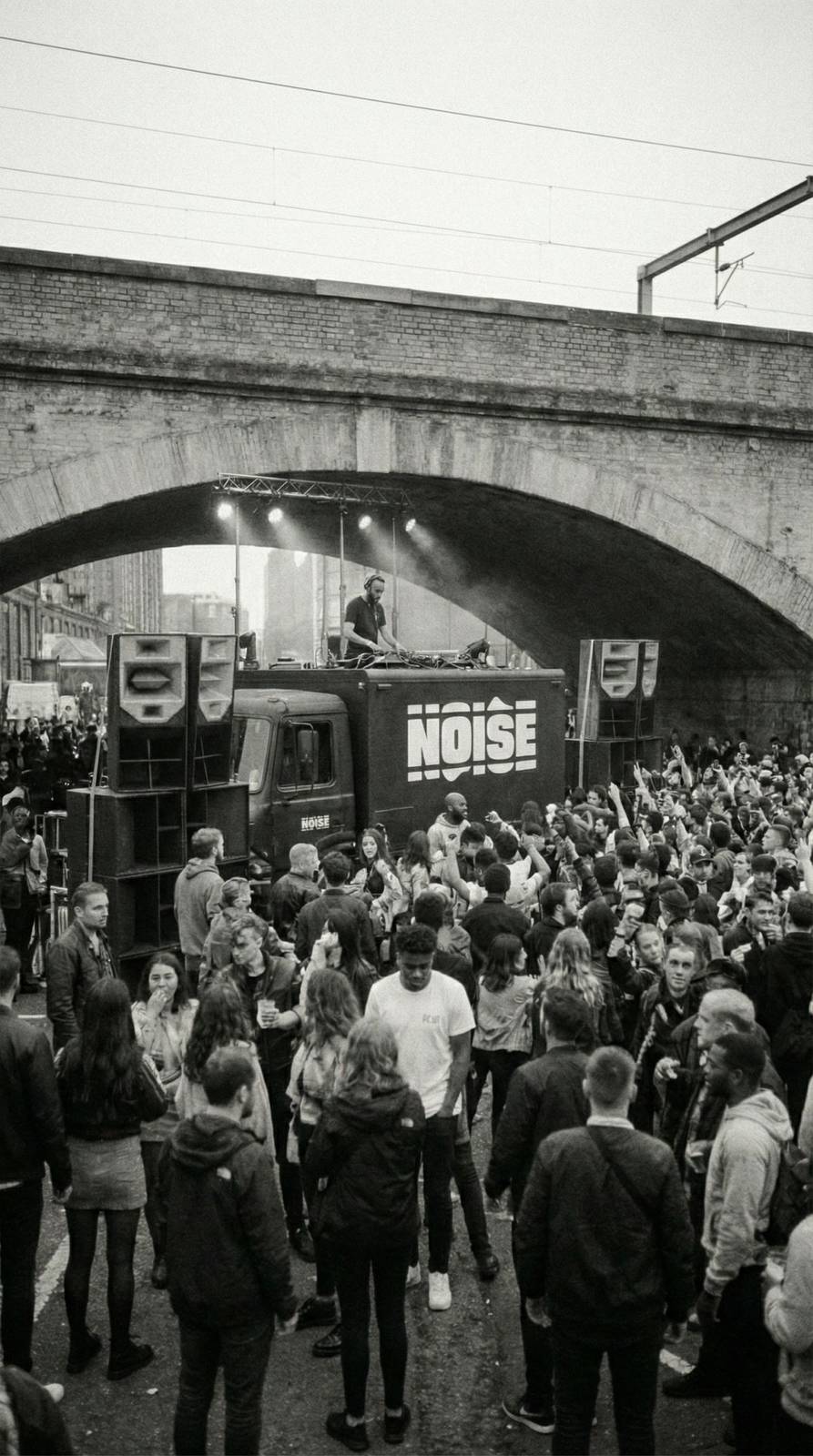
Understanding the Modern Music Industry
How the music industry actually works in 2025. Labels, DSPs, promoters, managers, and where you fit in.
The music industry has changed more in the last fifteen years than in the previous fifty. Streaming has replaced physical sales as the dominant revenue model, social media has democratised marketing, and independent artists now have tools that were once exclusive to major label rosters. Understanding how the industry works today — not how it worked ten years ago — is essential for making informed decisions about your career.
The industry broadly divides into three sectors: recorded music (labels, distributors, streaming platforms), live music (promoters, venues, agents, festivals), and publishing (publishers, collection societies, sync). A major label like Universal, Sony, or Warner operates across all three. As an independent artist, you interact with these sectors through smaller, specialised partners: an independent distributor for recorded music, a booking agent for live, and a publisher or admin deal for publishing.
Streaming platforms like Spotify, Apple Music, and YouTube are the primary discovery and consumption channels. They pay rights holders based on a pro-rata model: all subscription and ad revenue for a given period is pooled, then divided proportionally by stream count. Getting onto algorithmic playlists (Discover Weekly, Release Radar) and editorial playlists can dramatically increase your streams. The algorithms favour consistent release schedules, high save rates, and listener engagement.